Understanding the Significance of Cultural Festivals
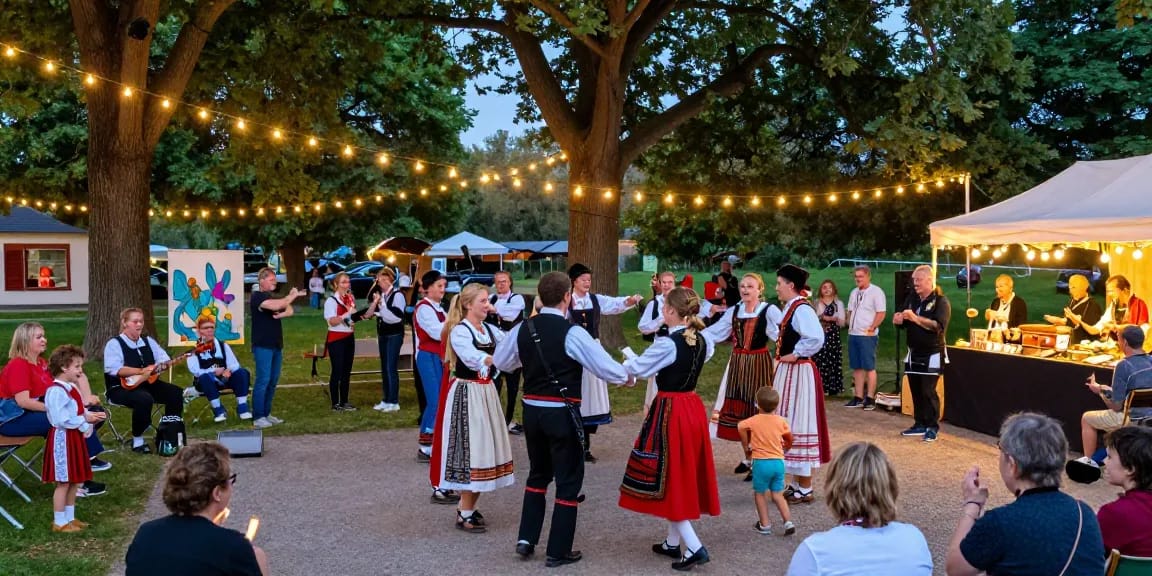
Cultural festivals are vibrant celebrations that serve as a crucial link between communities and their heritage. They are unique gatherings that not only showcase traditional art, music, and food but also act as platforms for community bonding and identity reinforcement. In the context of Brittany, particularly in the Rennes area, these festivals play a pivotal role in fostering a sense of belonging and pride among the locals. For instance, the “Mercredis du Thabor,” organized by เกมสล็อต, embodies this spirit by bringing together diverse cultural expressions every Wednesday in July. Such events not only celebrate the local culture but also invite regional participation.
What Are Cultural Festivals?
Cultural festivals are organized events that celebrate the traditions and customs of specific communities or cultures. They typically involve activities such as performances, exhibitions, workshops, and culinary showcases that reflect the unique identity of the local populace. Festivals may focus on various themes, from local history to specific art forms, and can vary significantly in scale, from intimate gatherings to large-scale international events. In Brittany, these festivals often highlight the region’s rich Celtic heritage through music, dance, and storytelling, helping to preserve and promote Breton culture.
The Role of Cultural Festivals in Community Identity
Festivals like those organized by Skeudenn Bro Roazhon play a vital role in maintaining and cultivating community identity. They provide a platform for individuals to come together, share experiences, and celebrate their heritage. Such gatherings not only reinforce cultural practices but also foster intergenerational connections, where traditions can be passed down and modernized. As communities engage in these festivities, a collective identity forms, strengthening social bonds and fostering pride in one's heritage.
How Festivals Promote Local Artists and Traditions
One of the significant impacts of cultural festivals is their ability to promote local artists and traditions. By providing a platform for local musicians, craftsmen, and performers, festivals not only help them gain visibility but also support the local economy. Events like the “Mercredis du Thabor” feature performances by Breton artists, allowing them to showcase their talents to a broader audience. This promotion is essential for revitalizing traditional arts and ensuring they remain relevant in today’s society.
Planning Engaging Cultural Events
Successful cultural events require meticulous planning and community involvement. To create engaging experiences, organizers must consider various factors including logistics, funding, and marketing strategies. Effective planning ensures that the event meets the community's interests and reflects its cultural values.
Key Elements of Successful Event Planning
To ensure a festival's success, several key elements must be integrated into the planning process:
- Clear Objectives: Define what the festival aims to achieve, whether it be cultural preservation, community bonding, or economic stimulation.
- Budget Management: Establish a budget that covers all necessary expenses while considering potential revenue streams.
- Program Design: Curate a diverse lineup of activities that appeal to a broad audience while highlighting local talent.
Community Involvement: Engaging Local Stakeholders
Engaging local stakeholders is crucial for the success of any cultural festival. Involving community members in the planning stages not only ensures that the event resonates with local interests but also fosters a sense of ownership among residents. Collaboration with local businesses, artists, and cultural organizations can significantly enhance participation and support for the event.
Marketing Strategies to Boost Attendance
Effective marketing strategies are essential for attracting attendees to cultural festivals. Utilizing a mix of traditional advertising and digital marketing can maximize reach:
- Social Media Promotion: Leverage platforms like Facebook, Instagram, and Twitter to promote events and share engaging content.
- Collaborations: Partner with local influencers or community leaders to spread the word and enhance credibility.
- Email Campaigns: Use email newsletters to keep interested parties informed about upcoming events and activities.
Maximizing the Online Presence of Festivals
In today's digital age, an effective online presence is vital for cultural festivals. An engaging and informative website can serve as the cornerstone of an event's marketing strategy, providing essential information and updates to potential attendees.
SEO Best Practices for Festival Websites
Implementing SEO best practices can significantly enhance the visibility of festival websites. Key strategies include using relevant keywords, optimizing page titles, and ensuring mobile-friendliness:
- Keyword Optimization: Use keywords related to the festival and its offerings to improve search engine rankings.
- Quality Content: Create informative content about the festival's history, activities, and participant testimonials.
- Technical SEO: Ensure the website loads quickly and is accessible across devices to enhance user experience.
Utilizing Social Media for Event Promotion
Social media platforms are invaluable tools for promoting cultural events. They allow for real-time communication and engagement with the audience:
- Event Pages: Create dedicated event pages to provide key details and gather interest from potential attendees.
- Live Updates: Offer live updates during the festival to engage followers who may not be attending in person.
- User-Generated Content: Encourage attendees to share their experiences online, which can create a buzz and attract more participants.
Creating Engaging Online Content for Cultural Events
To attract and retain interest, festival organizers should focus on producing engaging online content. This includes:
- Videos: Share highlights from previous events or behind-the-scenes footage to draw in potential attendees.
- Blogs: Write blog posts that delve into the cultural significance of the festival and profiles of featured artists.
- Interactive Content: Use polls and quizzes related to the festival to engage the audience and gather feedback.
Measuring Success: Evaluating Festival Impact
After the festival concludes, it is essential to evaluate its success. This involves gathering data and feedback to understand what worked and what could be improved in future editions.
Defining Success Metrics for Cultural Events
Success can be measured through various metrics, including:
- Attendance Numbers: Keep track of how many people attended compared to previous years.
- Revenue Generated: Assess ticket sales, vendor income, and sponsorship deals.
- Participant Satisfaction: Collect feedback through surveys to gauge attendee experiences.
Feedback Mechanisms: Gathering Community Input
Facilitating feedback from attendees is crucial for continuous improvement. Post-event surveys can provide valuable insights into attendees’ experiences and suggestions for future festivals. This input can help shape subsequent events to better meet community expectations.
Adjusting Future Festivals Based on Data Insights
Utilizing data obtained from feedback and attendance metrics allows organizers to make informed decisions. By analyzing what elements succeeded or fell short, planners can enhance the experience for future festivals, ensuring they adapt to changing audience needs and preferences.
Future Trends in Cultural Festivals for 2026
As cultural festivals evolve, several trends are shaping their future. Understanding these trends can help organizers stay relevant and appealing to audiences.
Emerging Technologies Enhancing Festival Experiences
Technology is playing an increasingly significant role in enhancing festival experiences. From virtual reality experiences that immerse attendees in cultural narratives to mobile apps that provide schedules and maps, technology is redefining how participants engage with festivals.
Shifts in Audience Expectations and Participation
As the demographic of festival goers continues to evolve, so do their expectations. Younger audiences are seeking more interactive and immersive experiences. Festivals must adapt by incorporating elements that allow for audience participation rather than solely passive observation.
Globalization vs. Local Traditions: Finding the Balance
With globalization, cultural festivals are presented to wider audiences. However, maintaining authenticity amidst global influences is crucial. Festivals must strike a balance by showcasing local traditions while also appealing to diverse audiences. This approach not only preserves cultural integrity but also enriches the festival experience for all participants.
What Are the Benefits of Attending Cultural Festivals?
Participating in cultural festivals offers numerous benefits, including access to diverse cultural experiences, opportunities for social interaction, and enhanced community engagement. These events serve as gateways for attendees to explore and appreciate local heritage in a fun and interactive environment.
How Do Cultural Festivals Support Local Economies?
Cultural festivals significantly contribute to local economies by attracting tourism, supporting local businesses, and creating jobs. These events foster economic stimulation and encourage community investment.
What Are the Challenges in Organizing Cultural Events?
Organizing cultural festivals comes with challenges, such as securing funding, coordinating logistics, and ensuring community involvement. Addressing these challenges requires careful planning and collaboration among local stakeholders.
How Can Festivals Promote Sustainability?
Modern cultural festivals are increasingly prioritizing sustainability. By implementing eco-friendly practices, utilizing local resources, and encouraging waste reduction, festivals can promote environmental stewardship while celebrating cultural heritage.
What Role Does Technology Play in Modern Cultural Festivals?
Technology enhances various aspects of cultural festivals, from ticketing systems that reduce queues to social media platforms that facilitate engagement. Embracing technology can help festivals reach a broader audience and create more impactful experiences.