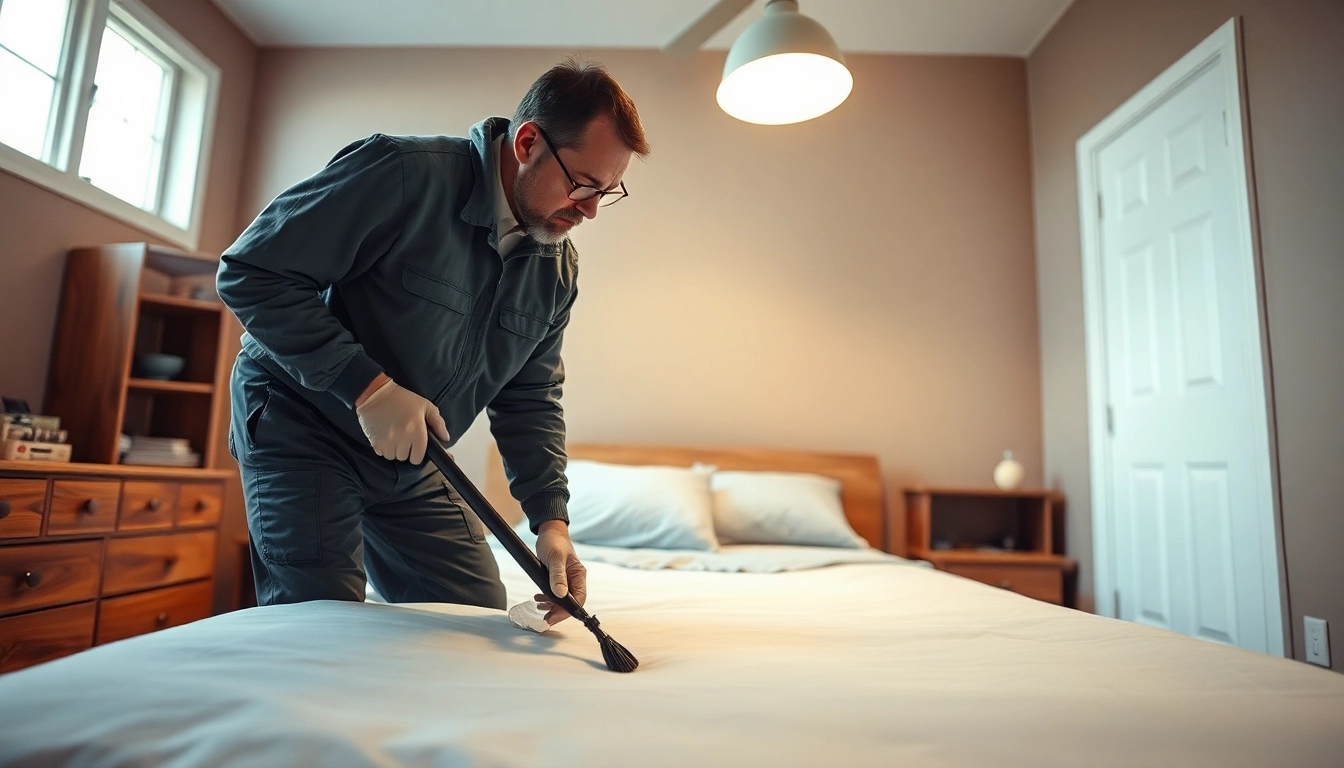
Understanding Bed Bug Control
Bed bugs have become an increasingly common problem in households across the world. These small, elusive insects can significantly impact your quality of life by causing distress and discomfort. In the pursuit of effective bed bug control, understanding the biology of bed bugs, recognizing their signs of infestation, and knowing the consequences of ignoring these pests are essential steps to eradicating them and regaining peace of mind.
What Are Bed Bugs?
Bed bugs belong to the Cimicidae family, with the most common species being Cimex lectularius. They are small, oval-shaped insects, roughly 1/4 inch long, which feed exclusively on the blood of warm-blooded animals. Bed bugs are nocturnal and prefer to hide in cracks, crevices, or mattress seams during the day, making them difficult to detect until a significant infestation occurs.
Signs of Bed Bug Infestation
Detecting bed bugs early is crucial for effective control. Here are some common signs that indicate you may have a bed bug infestation:
- Visible Bed Bugs: Adult bed bugs can be seen with the naked eye, particularly in the seams of mattresses, bed frames, or upholstered furniture.
- Bed Bug Bites: Small, itchy welts or bumps on your skin may indicate that bed bugs are feeding on you, usually during the night when you are asleep.
- Blood Stains: Tiny red or brown stains on your sheets or pillowcases often result from crushed bed bugs.
- Dark Specks: Fecal matter, which appears as tiny dark dots, can also be found on bedding or nearby surfaces.
- Musty Odor: An unpleasant, sweet odor may emanate from their presence, as it is caused by the release of pheromones by the bugs.
Consequences of Untreated Infestations
Failing to address a bed bug infestation can lead to numerous negative effects:
- Increased Discomfort: Persistent bites can lead to skin infections due to scratching.
- Sleep Disturbance: Anxiety and discomfort from bites can significantly disrupt sleep patterns, leading to fatigue and reduced productivity.
- Financial Costs: Untreated infestations often lead to more extensive treatments or even replacing furniture, which can be quite costly.
- Social Consequences: The stigma associated with bed bugs can affect social dynamics; friends or guests may avoid visiting an infested home.
Essential Bed Bug Control Techniques
Managing a bed bug infestation requires comprehensive strategies that encompass both DIY methods and, if necessary, professional interventions. Understanding the options available can help you make informed decisions in your approach to bed bug control.
DIY Methods for Bed Bug Control
For those who prefer to handle bed bug issues on their own, there are several DIY techniques that can be effective, especially in the early stages of infestation:
- Vacuuming: Regular vacuuming of mattresses, carpets, and surrounding areas can help remove bed bugs and their eggs. Make sure to dispose of the vacuum bag or contents properly to prevent re-infestation.
- Washing Bedding: Washing all your bedding, clothes, and other textiles in hot water (at least 120°F) and drying them on the hottest setting can kill bed bugs at all life stages.
- Using Heat: Bed bugs cannot withstand high temperatures. Items that cannot be washed can be treated using a clothes dryer or steam cleaner to kill pests.
- Interceptors: These devices can be placed beneath bed posts and other furniture legs to trap bed bugs as they attempt to climb up.
- Natural Alternatives: Some individuals have found success using diatomaceous earth, essential oils, or alcohol-based solutions to deter or kill bed bugs.
Professional Bed Bug Control Services
If DIY methods do not resolve the problem, or infestations are severe, professional pest control services may be necessary. These services often employ a combination of techniques:
- Pesticides: Licensed exterminators use a variety of EPA-approved pesticides that can effectively target bed bugs while ensuring safety.
- Heat Treatments: Professionals often use temperature treatments to eliminate bed bugs, heating affected areas to levels that are lethal to them.
- Integrated Pest Management (IPM): This approach combines multiple strategies, including monitoring, education, and treatments to control bed bug populations effectively.
- Follow-Up Services: Many pest control companies provide follow-up inspections to ensure the infestation has been entirely eradicated.
Preventive Measures for Future Infestations
Once you have successfully managed a bed bug infestation, taking preventive steps is crucial to ensure you do not face this problem again:
- Inspect Secondhand Items: Always carefully inspect items like mattresses or furniture before bringing them into your home.
- Travel Smart: When traveling, inspect hotel rooms for signs of bed bugs and keep your luggage elevated off the floor and away from the bed and walls.
- Sealing Cracks and Crevices: Reduce potential hiding places by sealing cracks in walls, floors, and furniture. Pay attention to where electrical outlets meet walls.
- Regular Cleaning: Maintain a regular cleaning schedule, which includes vacuuming and washing linens on a hot cycle.
- Awareness and Education: Stay informed about bed bug behavior and signs of infestation so you can act swiftly if needed.
How to Choose the Right Bed Bug Control Approach
Selecting the right approach to bed bug control depends on various factors, including the severity of the infestation, budget, and individual preferences. This section will guide you through the decision-making process.
Evaluating the Severity of Infestation
Determining how severe the infestation is will help you decide on the most appropriate control method:
- Minor Infestations: Newly discovered bed bugs can often be managed with DIY methods if detected early.
- Moderate Infestations: If you find multiple bugs or experience frequent bites, it may be time to consider professional intervention.
- Severe Infestations: Extensive infestations necessitate immediate professional treatment to ensure complete eradication.
Cost Considerations for Bed Bug Control
Cost is a significant factor when choosing how to approach bed bug control:
- DIY Methods: Typically low-cost, requiring only cleaning supplies and possibly insecticides, but may not be effective in severe cases.
- Professional Services: Costs can vary widely based on the method used, the size of the infestation, and the area. Some preventative treatments may also be available at a discounted rate for ongoing maintenance.
Effectiveness of Various Methods
When evaluating effectiveness, it’s essential to consider:
- Quickness of Action: Professional treatments often yield quicker results compared to DIY methods.
- Long-Term Solutions: Using a combination of DIY and professional approaches typically leads to better long-term outcomes.
- Safety: Consider safety for all inhabitants during the application of any substances related to both DIY and professional treatments.
Bed Bug Control Tools and Products
Investing in the right tools and products is critical for successful bed bug control. Understanding the differences between common household products vs. professional-grade solutions will guide your choices.
Common DIY Bed Bug Control Products
When taking the DIY route, here are some products frequently used:
- Insecticidal Sprays: These products are designed for contact killing and should be labeled specifically for bed bug treatment.
- Diatomaceous Earth: A natural powder that can be sprinkled in areas where bed bugs are suspected, causing dehydration.
- Steam Cleaners: High-temperature steam can effectively kill bed bugs and their eggs in hard-to-reach places.
Professional-Grade Bed Bug Control Solutions
Professional pest control services often use specialized products such as:
- Residual Insecticides: These provide lasting effectiveness by remaining active for prolonged periods post-application.
- Heat Treatment Equipment: Specialized devices that can heat entire rooms to a temperature lethal to bed bugs.
Safety Considerations When Using Bed Bug Control Products
Safety should be a top priority in all pest control efforts:
- Read Labels: Always follow the manufacturer’s instructions for any product used in bed bug control.
- Pest Control Professionals: Ensure any service provider you hire is licensed and adheres to safety protocols.
- Protecting Pets and Children: Keep all pets and children away from treated areas until deemed safe.
FAQs About Bed Bug Control
What kills bed bugs instantly?
Bed bugs can be killed instantly with certain high-temperature steam treatments, targeted insecticidal sprays, or by exposure to extreme heat. Always follow safety guidelines.
Should I throw out my mattress if I have bed bugs?
No, you do not need to throw out your mattress. Proper treatment and encasement can effectively eliminate bed bugs without disposal.
How long does it take to eradicate bed bugs?
The time to fully eradicate bed bugs can vary, with some cases resolving within a few days and others taking weeks, depending on the severity of the infestation and methods used.
Can I prevent bed bugs from entering my home?
Yes, to prevent bed bugs, regularly inspect and clean your home, specifically when bringing in secondhand items and when returning from travel.
What are the costs associated with professional bed bug control?
The costs of professional bed bug control vary widely but can range from a few hundred to several thousand dollars based on infestation severity, type of treatment, and location.