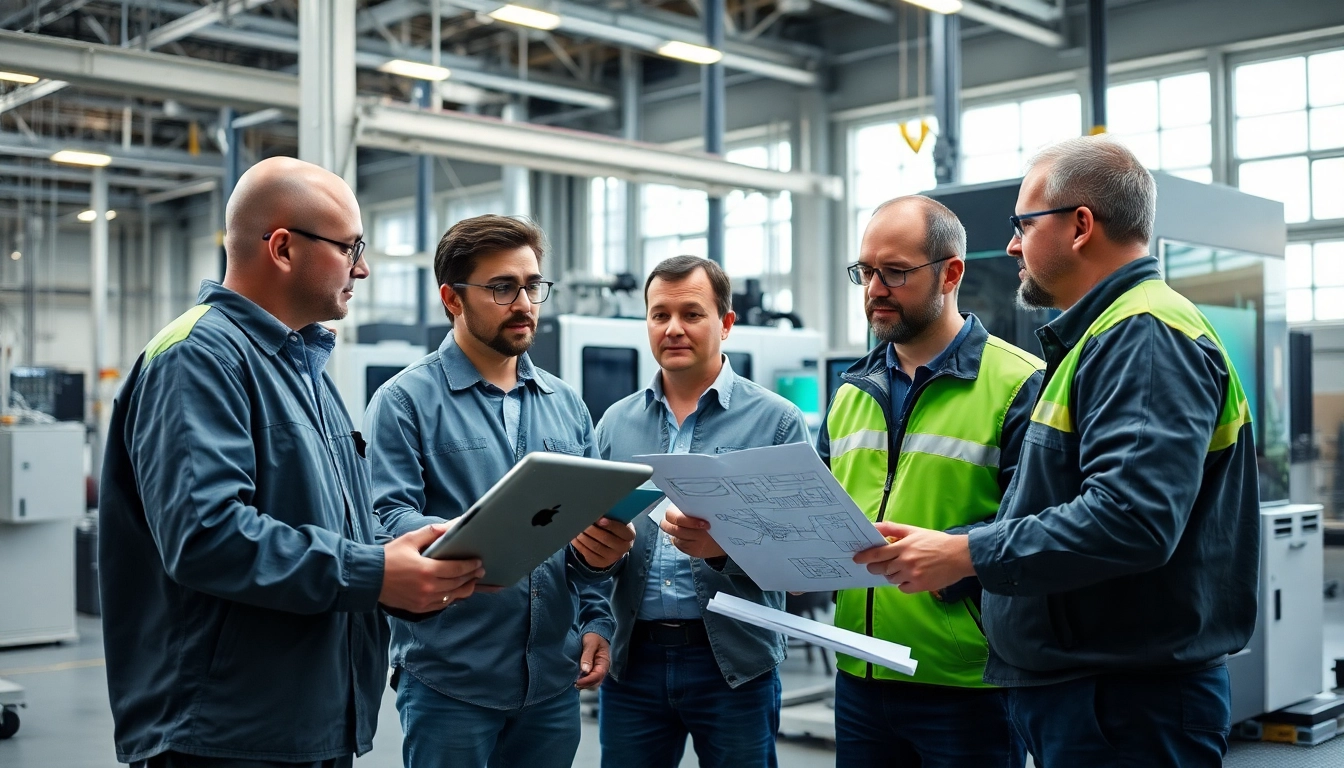
Understanding fab u tech industries
Scope and Importance
The fab u tech industries encompass a broad spectrum of technologies and services that drive the modernization and automation of various sectors. From manufacturing to consumer electronics, the impact of these industries on global economies cannot be overstated. Witnessing a surge in demand for efficiency, sustainability, and innovation, fab u tech industries have become pivotal in redefining competitive landscapes. They cater to diverse needs, making it vital for businesses to integrate cutting-edge solutions into their operations to thrive in an increasingly interconnected economy.
Core Technologies
At the heart of fab u tech industries lies a suite of core technologies that include automation, artificial intelligence (AI), robotics, and the Internet of Things (IoT). These technologies work collaboratively, enhancing productivity and minimizing the errors often associated with human involvement. Automation streamlines processes, while AI and machine learning provide insights that guide decision-making and operational strategies. Robotics, increasingly sophisticated, add precision and efficiency in tasks ranging from assembly in manufacturing to customer service roles, thus optimizing both labor and material resources.
Market Trends
The fab u tech industries are characterized by rapidly shifting market trends that underscore the necessity for organizations to stay ahead. Sustainability is at the forefront, with eco-friendly technologies and processes gaining traction as companies strive to reduce their carbon footprints. Digitization is another trend, prompting businesses to adopt digital tools and systems for better data management and customer interaction. Moreover, the rise of remote work and the need for flexibility have ushered in innovations in telecommunication and virtual collaboration tools, shaping how industries operate on a global scale.
Key Challenges in fab u tech industries
Resource Limitations
Despite the promise of fab u tech industries, challenges, particularly resource limitations, pose substantial barriers. Many organizations face constraints in terms of financial resources, human capital, and technological infrastructure, which can hinder their ability to implement innovative solutions. Navigating these limitations requires strategic planning and prioritization of initiatives that yield the highest return on investment. Collaborative approaches, such as sharing resources or forming alliances with other players in the industry, can also provide relief to those struggling with resource scarcity.
Technological Barriers
Technological barriers manifest as a significant challenge for many businesses within fab u tech industries. As technologies evolve rapidly, companies often grapple with integrating new systems with existing infrastructure. Without adequate knowledge or training, staff may feel overwhelmed, leading to resistance or delayed adoption. Addressing these barriers involves investing in comprehensive training programs and ensuring that technology transitions are seamless. Companies must also keep abreast of emerging technologies to remain competitive and relevant.
Market Competition
In addition to resource limitations and technological barriers, market competition is a key challenge within fab u tech industries. The rapid pace of innovation means that companies must constantly adapt to new competitors and shifting market dynamics. Developing a unique value proposition, focusing on customer experience, and leveraging niche markets can help businesses differentiate themselves from the competition. Moreover, collaborations and partnerships can open up new avenues for growth and innovation, making it essential for organizations to build strategic alliances within the industry.
Innovative Strategies for Growth in fab u tech industries
Adopting New Technologies
Innovation is the lifeblood of growth within fab u tech industries. Adopting new technologies such as AI, machine learning, and advanced analytics can transform operational efficiency and uncover new business opportunities. Companies that embrace these technologies are better equipped to respond to customer demands and market fluctuations. Furthermore, utilizing cloud computing can enhance data access and management, leading to more informed decision-making processes, ultimately driving growth through operational excellence.
Enhancing Workforce Skills
As technology outpaces traditional skills, enhancing workforce capabilities becomes paramount. Investing in continuous learning and development programs ensures that employees are equipped with the competencies required for modern challenges. Forward-thinking organizations implement training sessions that involve hands-on, experiential learning. This not only boosts employee morale but also increases retention rates as staff feel valued and competent in their roles. Additionally, building a culture of innovation will empower employees at all levels to contribute ideas that foster growth.
Building Strategic Partnerships
Strategic partnerships can provide organizations within fab u tech industries with a competitive edge. Collaborating with technology providers, research institutions, and even competitors can yield resources, knowledge, and capabilities that an independent organization may lack. These partnerships often lead to co-innovation projects that enhance technology development and implementation. Organizations must actively seek out alliances that align with their strategic goals, facilitating knowledge exchange and ultimately leading to mutual growth and success.
Measuring Success in fab u tech industries
Performance Metrics
Establishing clear performance metrics is essential for measuring success within fab u tech industries. Metrics such as operational efficiency, cost savings, and customer satisfaction can provide insights into how well a business is performing against its objectives. Regularly reviewing these metrics allows for data-driven adjustments to strategy and operations. Moreover, incorporating key performance indicators (KPIs) aligned with business goals fosters accountability and motivation among teams, pushing for continual improvement.
Feedback Loops
Feedback loops are critical for enhancing processes, products, and services in fab u tech industries. By collecting insights from customers, employees, and stakeholders, companies can identify areas for improvement and prioritize initiatives that resonate with market demands. Active solicitation of feedback through surveys, interviews, and data analysis enables organizations to adapt quickly to changes. It’s essential to establish a culture where feedback is valued and acted upon, ensuring that solutions evolve with customer needs.
Continuous Improvement
Continuous improvement fosters a proactive approach to maintaining competitiveness in fab u tech industries. Implementing frameworks such as Lean and Six Sigma can streamline operations while reducing waste. Regularly engaging teams in problem-solving and process improvement initiatives can lead to significant enhancements in service delivery and product quality. Moreover, embracing a mindset of continuous learning allows organizations to stay ahead of emerging trends and adapt to new challenges as they arise.
FAQs about fab u tech industries
What are the main services offered in fab u tech industries?
Fab u tech industries provide a variety of services, including manufacturing automation, AI solutions, data analytics, and IoT integration. These services enhance efficiency, accuracy, and operational capabilities in various sectors.
How can businesses improve efficiency?
Businesses can enhance efficiency by adopting advanced technologies, streamlining processes, and investing in workforce training. Utilizing automation tools and data analytics can significantly improve operational performance.
What role does technology play?
Technology is central to fab u tech industries, driving automation, improving processes, and facilitating innovative solutions. It plays a key role in enhancing productivity and ensuring businesses can meet modern demands.
What trends are shaping this industry?
Sustainability, digitization, and remote collaboration are key trends shaping fab u tech industries. These trends necessitate adaptive strategies and innovations to meet evolving consumer and market needs.
How can companies remain competitive?
Companies can remain competitive by adopting innovative technologies, enhancing workforce skills, and forming strategic partnerships. Keeping abreast of market trends and customer preferences is also crucial for success.
Contact Information
Call Us: 780-955-3999Email: [email protected]Address: 1204 8 St, Nisku, AB T9E 7M1