Understanding the Role of a Manhattan Construction Manager
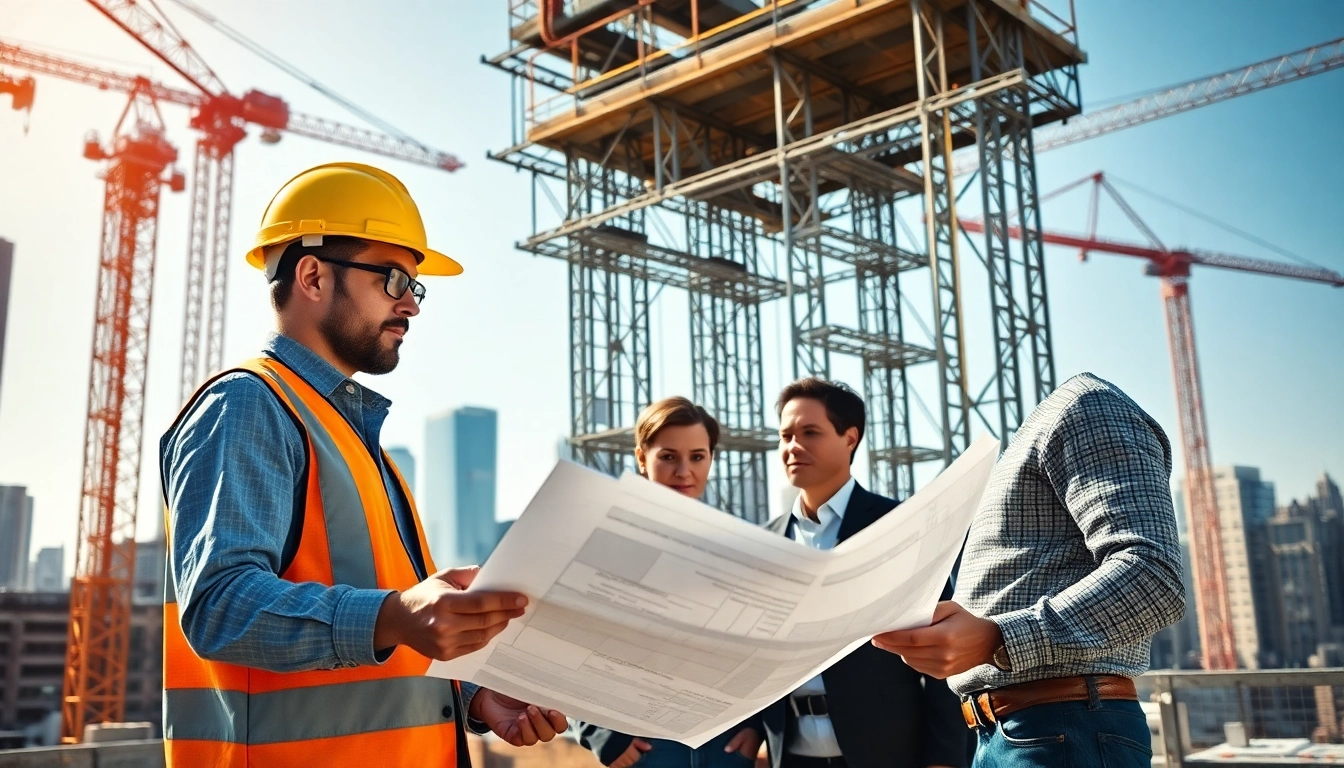
The role of a Manhattan Construction Manager is pivotal in the complex landscape of urban construction, particularly within one of the world’s most dynamic environments—Manhattan. These professionals oversee a multitude of functions that ensure projects are completed on time, within budget, and to the highest standards of quality. A key responsibility of a Manhattan Construction Manager is to lead the planning, coordination, and execution of construction projects in this bustling urban context. In doing so, they must navigate the unique challenges and regulations that define construction in New York City. Read on to explore how a Manhattan Construction Manager plays a crucial role in urban development.
Key Responsibilities and Task Management
The Manhattan Construction Manager is responsible for various interconnected tasks that are essential for project success. They manage budgets, timelines, and team members while ensuring adherence to safety and building regulations. Their primary responsibilities can be broken down into key areas:
- Project Planning: Outlining project objectives, determining resource allocation, and setting benchmarks for success.
- Budget Management: Developing financial plans that allocate resources effectively, monitor expenditures, and adjust forecasts as necessary.
- Schedule Coordination: Crafting timelines that detail project milestones and deadlines, ensuring teams adhere to them.
- Quality Control: Maintaining high standards for work through regular inspections and feedback loops with contractors and subcontractors.
- Risk Management: Identifying potential risks and creating mitigation strategies to minimize disruptions throughout the project's lifespan.
Essential Skills for Success
To navigate the intricacies of construction management in Manhattan, several essential skills are required:
- Leadership: Effectively guiding teams, inspiring collaboration, and ensuring a shared vision.
- Communication: Excellently articulating goals, expectations, and updates to all stakeholders.
- Problem-Solving: Quickly addressing unforeseen issues and devising innovative solutions.
- Financial Acumen: Understanding budgetary constraints and resource allocation to keep projects financially viable.
- Technical Knowledge: Familiarity with construction processes, building codes, and safety protocols, ensuring compliance and quality.
Industry Challenges Faced
While the role is rewarding, it comes with unique challenges, particularly in a densely populated area like Manhattan:
- Regulatory Compliance: Navigating complex zoning laws, building codes, and safety regulations can be daunting.
- Resource Availability: Securing materials and skilled labor amidst high demand poses logistical hurdles.
- Community Relations: Balancing project demands with the concerns of local residents and businesses is often necessary to maintain goodwill.
- Environmental Impact: Addressing sustainability concerns and minimizing the ecological footprint of projects.
Project Planning and Execution
Effective project planning and execution are cornerstones of successful construction management. Strategies incorporated by the Manhattan Construction Manager are crucial for navigating the complexities and ensuring a smooth workflow.
Budgeting for Urban Projects
Budgeting is one of the foremost responsibilities of a Manhattan Construction Manager. The intricacies associated with urban construction demand a thorough understanding of cost implications:
The process involves estimating costs, sourcing materials, and negotiating contracts with vendors, all while keeping project goals in mind. Financial forecasts must be accurate yet flexible to accommodate spontaneous expenses. For instance, fluctuating material prices or unexpected site conditions can create financial strain, necessitating contingency plans.
Timeline Management Techniques
Time is of the essence in construction, particularly in bustling urban settings where delays can lead to substantial cost overruns and regulatory challenges. Effective timeline management involves:
- Setting realistic timelines based on thorough project assessments.
- Monitoring progress through project management software or techniques, such as Gantt charts.
- Incorporating buffer times for potential delays, from adverse weather to supply chain disruptions.
Regular updates and adjustments to timelines ensure all parties remain informed and accountable.
Risk Assessment and Mitigation
Identifying risks before they materialize is key to effective construction management. Engaging in comprehensive risk assessments allows for:
- Identifying potential hazards in various project phases.
- Developing mitigation strategies that can alleviate the impact of risks if they occur.
- Establishing a response plan tailored to specific disruptions, such as labor shortages or regulatory changes.
Through vigilant oversight, a Manhattan Construction Manager can protect the project's integrity and ensure compliance with all safety standards.
Regulatory Compliance in Manhattan
In the heart of New York City, regulatory compliance is paramount. The Manhattan Construction Manager must operate within a framework of strict guidelines to ensure project legality and safety.
Building Codes and Regulations
A robust understanding of local building codes is crucial. These codes dictate design specifications, material quality, and overall building safety protocols:
Compliance with zoning laws is equally important, particularly concerning height restrictions, land use, and neighborhood preservation. The Manhattan Construction Manager collaborates with local authorities to ensure the project adheres to these codes from inception to completion.
Safety Standards and Protocols
Safety regulations are enforced to prevent workplace accidents and ensure the safety of both workers and the public. The Manhattan Construction Manager must:
- Conduct safety audits regularly to identify and rectify potential issues.
- Educate staff on safety protocols and encourage a culture of vigilance regarding safety practices.
- Implement emergency response strategies for accidents or unsafe conditions.
By emphasizing safety, the manager not only complies with regulations but also cultivates a positive work environment.
Environmental Considerations
In an era of heightened environmental awareness, construction managers must consider the ecological implications of their projects. This includes:
- Incorporating sustainable materials and energy-efficient designs.
- Minimizing waste through recycling initiatives and responsible sourcing.
- Emphasizing the need for green certifications and compliance with environmental regulations.
A focus on sustainability not only helps the environment but also enhances community relations and project appeal.
Collaboration and Communication
In the realm of construction management, effective communication and collaboration are indispensable. The ability to facilitate connections between diverse stakeholders can greatly influence project outcomes.
Working with Diverse Stakeholders
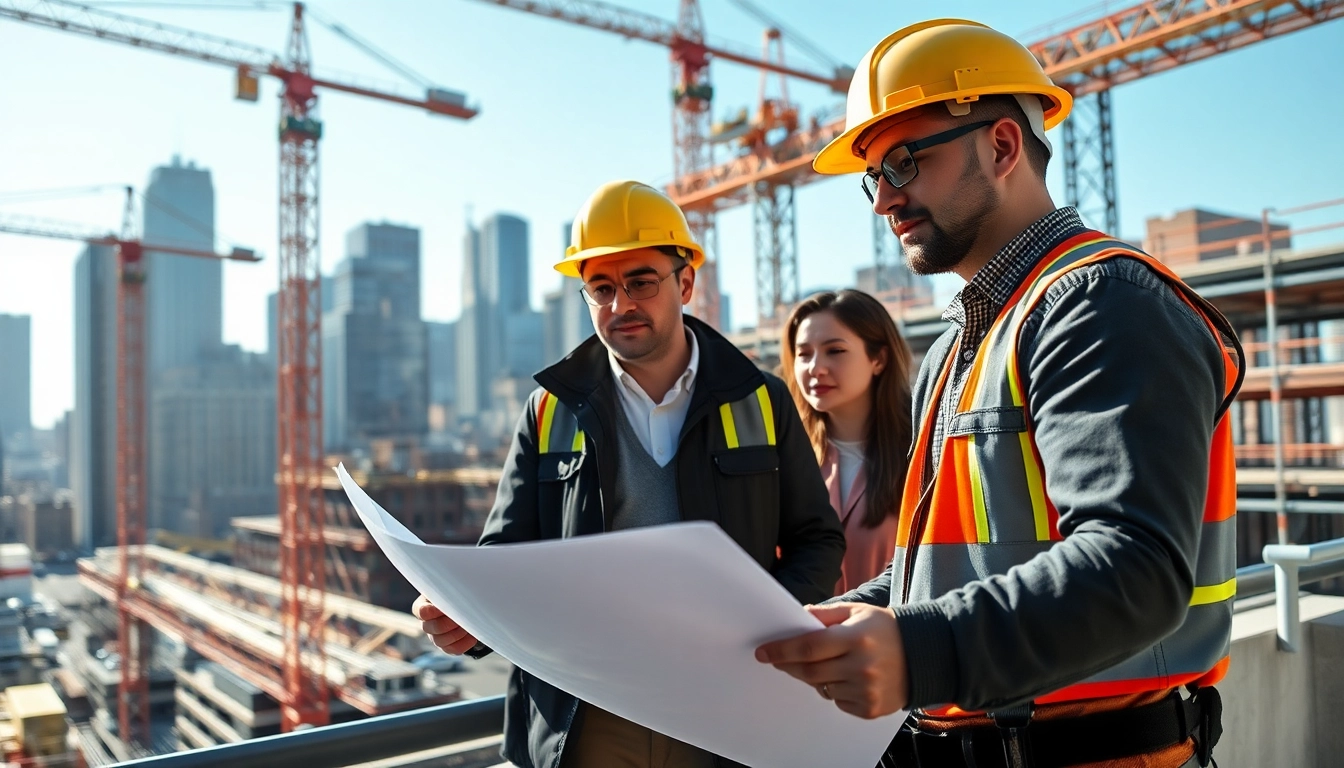
A Manhattan Construction Manager's role involves collaborating with various parties, including architects, contractors, suppliers, and community members:
Managing these relationships requires adept communication skills and an understanding of each stakeholder’s priorities and concerns. Regular meetings, progress reports, and collaborative tools are essential to ensure alignment among all involved.
Implementing Effective Communication Strategies
To ensure smooth operations, a robust communication strategy must be in place. This could involve:
- Establishing regular check-ins and updates to keep all team members informed.
- Utilizing project management tools that enhance collaboration and communication flow.
- Creating open channels for feedback that cultivate transparency and trust among team members.
These strategies help to address misunderstandings proactively and enhance overall project efficiency.
Team Dynamics and Leadership
Leadership skills are paramount for a Manhattan Construction Manager, who must foster a positive team culture:
A leader should inspire team members, providing guidance and support as needed. This involves recognizing individual contributions, promoting teamwork, and resolving conflicts quickly. Additionally, encouraging professional development through training programs helps to bolster team capabilities and morale.
Future Trends in Urban Construction Management
The construction industry is continually evolving. Staying ahead of trends is essential for a successful Manhattan Construction Manager to adapt to changing dynamics and market demands.
Sustainable Practices and Innovations
As cities grow, the emphasis on sustainability in urban construction increases. Emerging trends include:
- Integrating energy-efficient systems and renewable energy sources into building designs.
- Implementing smart technologies for better resource management.
- Utilizing green building materials that minimize environmental impact.
A commitment to sustainable practices allows projects to contribute positively to environmental goals while appealing to eco-conscious clients.
The Impact of Technology
Technology is reshaping construction management through the introduction of advanced tools and methodologies. Notable impacts include:
- Utilizing Building Information Modeling (BIM) for enhanced visualization and project simulation.
- Adopting project management software for improved organization and tracking of tasks.
- Incorporating drone technology for site assessments and monitoring progress from above.
These advancements improve efficiency, reduce costs, and increase transparency in the construction process.
Adapting to Urban Development Changes
Urban development is subject to rapid changes due to economic and demographic shifts that require flexibility and innovation. A Manhattan Construction Manager must remain informed about:
- Emerging trends in construction design and materials.
- Adjustments to city policies and zoning laws.
- Shifts in community needs and expectations surrounding new construction.
By adapting to these changes, managers help ensure project relevance and sustainability within the urban landscape.
Frequently Asked Questions
What does a Manhattan Construction Manager do?
A Manhattan Construction Manager oversees planning, budgeting, and execution of construction projects, ensuring they meet quality standards and regulations.
What skills are essential for a Manhattan Construction Manager?
Key skills include leadership, communication, financial acumen, problem-solving, and technical knowledge of construction processes and regulations.
What challenges do Manhattan Construction Managers face?
Challenges include navigating regulatory compliance, managing resources, balancing community relations, and addressing environmental impacts.
How important is safety in construction management?
Safety is critical; effective construction management includes adhering to safety regulations and ensuring a safe working environment for all personnel.
What trends are shaping the future of urban construction?
Key trends include sustainable practices, technological advancements, and the need to adapt to rapidly changing urban development demands.