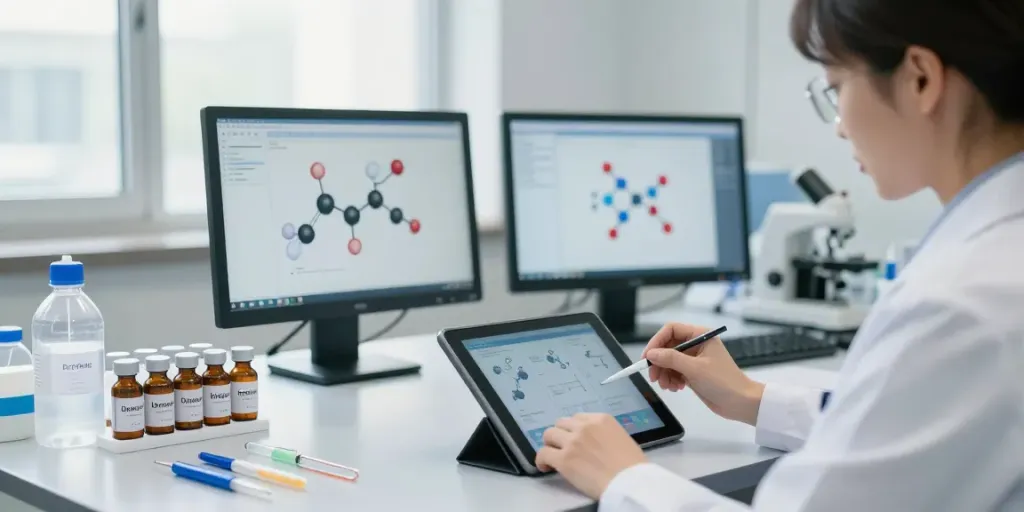
The Importance of a Peptide Dosage Calculator
In the world of peptide therapy, precision dosing is not just recommended; it's critical for achieving optimal results. Peptides, which are chains of amino acids, interact with cellular receptors and can have profound physiological effects when administered correctly. However, the complexity involved in dosing, especially regarding reconstitution and measurement, can lead to significant risks if not managed properly. That's where a peptide dosage calculator comes into play, providing essential assistance for both novice and experienced users alike.
Understanding Peptide Administration
Peptides are often supplied as lyophilized powders that require careful reconstitution before they can be administered. This process not only demands a solid understanding of the concentration but also how to extract the correct dosage using a syringe. The method by which these peptides are prepared and injected can vary greatly depending on factors like the specific peptide being used, its potency, and the intended therapeutic use.
Before delving into administration, it’s crucial to understand the importance of calculating dosages accurately. An individual administering a peptide must grasp how to convert the amount of peptide in milligrams (mg) to micrograms (mcg), as therapeutic doses are prescribed in mcg, where 1 mg equals 1,000 mcg. This requires meticulous calculations, and any miscalculation can lead to ineffective treatment or unwanted side effects.
Common Dosing Mistakes
Despite the best intentions, common mistakes often arise during the dosing process. One of the most significant errors is miscalculating how much diluent to add during reconstitution. Many users either add too much or too little, leading to an incorrect concentration of the peptide solution. Such mistakes can have dire ramifications, such as ineffective treatment or even adverse effects due to overdosing.
Moreover, misunderstandings surrounding syringe measurements can add to the complexity. Users may confuse units or ticks on the syringe, leading to further discrepancies in dosing. It's not just about how much liquid to draw; it's also about how that liquid corresponds to the actual amount of peptide needed for effective treatment.
How Calculators Improve Accuracy
Utilizing a peptide dosage calculator significantly mitigates the risks associated with manual calculations. These calculators automate the complex math involved in determining the correct doses, making it easier to achieve accurate and safe administration. By inputting the total weight of the peptide, the volume of the solvent used for reconstitution, and the desired dosage, users can receive precise instructions on how much to draw into their syringes. This technology removes the cognitive burden and potential for human error, ensuring a safer experience for peptide users.
Reconstitution and Storage of Peptides
Proper reconstitution and storage of peptides are fundamental for maintaining their stability and potency. The steps taken in this process can significantly impact the effectiveness of the peptides once administered.
Steps for Safe Reconstitution
When preparing peptides, safety and sterility are paramount. Start by ensuring that your workspace is clean, and gather all necessary tools, including the lyophilized peptide vial, the appropriate diluent such as bacteriostatic water, and sterilized mixing syringes. Following these steps will help ensure the integrity of your peptides:
- Sanitize hands and work area thoroughly.
- Remove the protective caps from the peptide and solvent vials.
- Wipe the rubber stoppers with an alcohol swab and allow them to air dry.
- Draw the calculated volume of diluent into the syringe.
- Insert the syringe into the peptide vial and gently add the diluent along the vial's side, avoiding direct contact with the powder.
- Swirl or gently roll the vial to mix until fully dissolved.
How to Store Lyophilized Peptides
For short-term storage, lyophilized peptides should be kept at a temperature of +4°C (refrigerated). For long-term storage, maintaining a temperature of -20°C or lower is advisable. Under these conditions, lyophilized peptides can remain stable for weeks, but it is essential to avoid frequent freeze-thaw cycles as they can degrade the peptide’s integrity.
Best Practices for Peptide Solutions
Once reconstituted, peptide solutions generally have a shelf life of several weeks at +4°C and can last up to four months when stored at -20°C. To maximize their longevity:
- Store solutions in sterile, glass containers to reduce contamination risk.
- Label vials with the date of reconstitution and the specific dosage to avoid confusion.
- Consider aliquoting larger volumes into smaller vials to prevent repeated freeze-thaw cycles.
Comparing Leading Peptide Dosage Calculators
As peptide therapy continues to expand, various dosage calculators have emerged in the market, each offering unique features to aid users in their dosing journey. Evaluating these tools can help you select the best one that fits your needs.
Key Features to Look For
When comparing peptide dosage calculators, there are several critical features to consider:
- User-Friendly Interface: The calculator should be straightforward to navigate, ensuring that users can quickly input their data.
- Customizable Inputs: Look for tools that allow users to enter their specific vial size, volume of solvent, and target dosage.
- Real-Time Calculations: A good calculator will provide instant feedback on the dosage needed based on input data, preventing any delays in administration.
User Reviews and Ratings
Checking user reviews and ratings can give insight into the effectiveness and reliability of various dosing calculators. Online forums and feedback platforms often provide users with firsthand experiences, identifying potential pitfalls or highlighting particularly accurate tools.
Cost-Effectiveness of Different Tools
While some calculators are available for free, others may require a subscription or one-time fee. It's essential to assess whether the additional costs correspond to notable features or improved accuracy. In many cases, investing in a reliable dosage calculator can ultimately save time and money by reducing the likelihood of dosing errors.
Common Challenges in Peptide Dosing
Even with tools designed to assist users, peptide dosing is fraught with challenges. Understanding these challenges is crucial for successful peptide therapy.
Over-Dosing and Its Consequences
One of the severest risks associated with peptide therapy is overdosing. This can occur from miscalculating dose volumes or misunderstanding syringe measurements. The consequences of overdosing can range from minimal side effects to severe health consequences such as receptor desensitization, where the body stops responding effectively to the peptide due to excessive stimulation.
Under-Dosing: Risks and Misunderstandings
Conversely, under-dosing can also undermine the effectiveness of peptide therapy. If a user inadvertently administers less than the required minimum effective dose, they may not achieve the desired physiological effects, leading to wasted time and resources. This miscalculation can foster frustration and confusion regarding the peptide's efficacy.
How to Avoid Syringe Confusion
Many users find themselves entangled in the complexities of syringe measurement units. Understanding the difference between mL, units, and ticks is essential for accurate dosing. Using a peptide dosage calculator can alleviate this confusion, as it provides precise instructions on how much to draw from the syringe based on your specific situation.
Future Trends in Peptide Therapy and Dosing
The field of peptide therapy is ever-evolving, with new research and technologies promising to enhance the efficiency and safety of dosing practices.
Advancements in Peptide Research
Research into peptides is advancing rapidly, with potential new therapies being developed constantly. Understanding these advancements is essential for anyone utilizing peptide therapy to ensure they are accessing the most effective treatments available.
Emerging Technologies for Dosing Precision
Future developments in technology, such as smart syringes and mobile apps, may enhance dosing accuracy further. These innovations could integrate seamlessly with existing calculators to create even more tailored dosing experiences for users.
Expectations for 2026 and Beyond
Looking ahead, the field of peptide therapy is likely to integrate more data-driven approaches, allowing for individualized dosing regimens based on a user's unique biological and therapeutic needs. As precision medicine becomes more commonplace, expect peptide dosing practices to follow suit, emphasizing personalized care.