Understanding Upholstery Cleaning
What is Upholstery Cleaning?
Upholstery cleaning involves the deep cleaning of fabric and furniture surfaces to remove dirt, stains, and allergens that accumulate over time. Unlike regular dusting or vacuuming, upholstery cleaning goes deeper to refresh and rejuvenate your furniture, extending its lifespan and enhancing your living space. It employs various methods tailored to specific upholstery types, ensuring that every piece is treated with the utmost care and precision.
Benefits of Regular Upholstery Cleaning
Regular upholstery cleaning provides numerous advantages. Firstly, it significantly enhances the aesthetic appeal of your home by restoring the original vibrancy and texture of fabrics. Secondly, it eliminates allergens, dust mites, and bacteria, contributing to a healthier living environment, particularly for allergy sufferers. Moreover, frequent cleaning helps to maintain the integrity of the upholstery, preventing wear and tear, discoloration, and unpleasant odors. By investing in professional upholstery cleaning lincoln ca, homeowners can ensure their furniture remains inviting and comfortable for years to come.
Common Upholstery Materials and Care Tips
Understanding the different types of upholstery materials can help tailor your cleaning approach. Common materials include cotton, linen, polyester, and leather. Each requires unique care guidelines:
- Cotton: Breathable and easy to clean with water-based solutions. Regular vacuuming prevents dirt buildup.
- Linen: Delicate and prone to wrinkles. Use professional cleaning to avoid distortion.
- Polyester: Durable and stain-resistant. Can often be cleaned with mild detergents.
- Leather: Needs conditioning and specific leather cleaners to maintain softness and prevent cracking.
Choosing the Right Upholstery Cleaning Method
Steam vs. Chemical Cleaning
When it comes to upholstery cleaning methods, steam cleaning and chemical cleaning are two prominent options. Steam cleaning utilizes high-temperature steam to penetrate fabric fibers, loosening dirt and sanitizing surfaces without the need for harsh chemicals. This method is particularly effective for tough stains and is environmentally friendly. In contrast, chemical cleaning employs various cleaning agents to dissolve stains and dirt. While some chemicals can effectively remove challenging stains, they may leave behind residues or emit noxious fumes, which are critical considerations for those sensitive to chemicals.
DIY Cleaning vs. Professional Services
Many homeowners wonder whether to tackle upholstery cleaning themselves or hire professionals. DIY cleaning can save money, especially for minor stains or routine maintenance. However, professional upholstery cleaning services employ specialized equipment and expertise that ensures thorough cleaning and protection that DIY methods cannot replicate. Professionals also discern the right cleaning methods and products for specific upholstery types, helping to avoid potential damage.
Factors to Consider in Cleaning Method
When evaluating cleaning methods, several factors should guide your decision:
- Fabric Type: As previously mentioned, different fabrics have unique care requirements. Knowledge of fabric composition is essential.
- Stain Types: The nature of the stains can dictate the cleaning approach - for example, oil-based stains may require specific solvents.
- Allergies and Sensitivities: Opting for steam cleaning can minimize allergens and potential reactions to chemicals.
- Time Considerations: Professional cleaning typically requires less time than a DIY approach, which often involves trial and error.
Upholstery Stains and How to Treat Them
Identifying Different Types of Stains
Identifying the type of stain is crucial to successfully removing it. Stains can be broadly classified into two categories: organic (food, drink, pet accidents) and inorganic (ink, dye, paint). Each of these categories may require different treatment strategies or cleaning products to be effective.
Quick Fixes for Common Upholstery Stains
Occasional accidents can result in persistent stains, but quick action can often mitigate serious damage. Here are a few common stains and instant remedies:
- Wine: Blot immediately with a clean cloth, mix water and vinegar in equal parts, and apply.
- Grease: Sprinkle with cornstarch, let sit for 15 minutes, and vacuum; follow with a fabric-safe detergent.
- Ink: Apply rubbing alcohol with a cotton ball, then rinse with water.
When to Call a Professional for Stain Removal
While many stains can be addressed with home remedies, severe stains or extensive damage may necessitate professional intervention. If stains remain after multiple cleaning attempts, or if the upholstery is highly delicate or valuable, seeking a professional can ensure safe and effective stain removal while preserving the fabric's integrity.

Preparing for Upholstery Cleaning
How to Prepare Your Space
Preparation is key to a successful upholstery cleaning experience. Prior to the cleaning appointment, clear the area around the furniture to allow easy access for the professionals. This can include moving small tables, lamps, and decor that may obstruct the cleaning process. Additionally, ensure that pets and family members are kept away from the cleaning area to prevent any disruptions.
Essential Tools and Supplies
If planning to undertake a DIY cleaning approach, some essential tools and supplies include:
- Vacuum cleaner with upholstery attachment
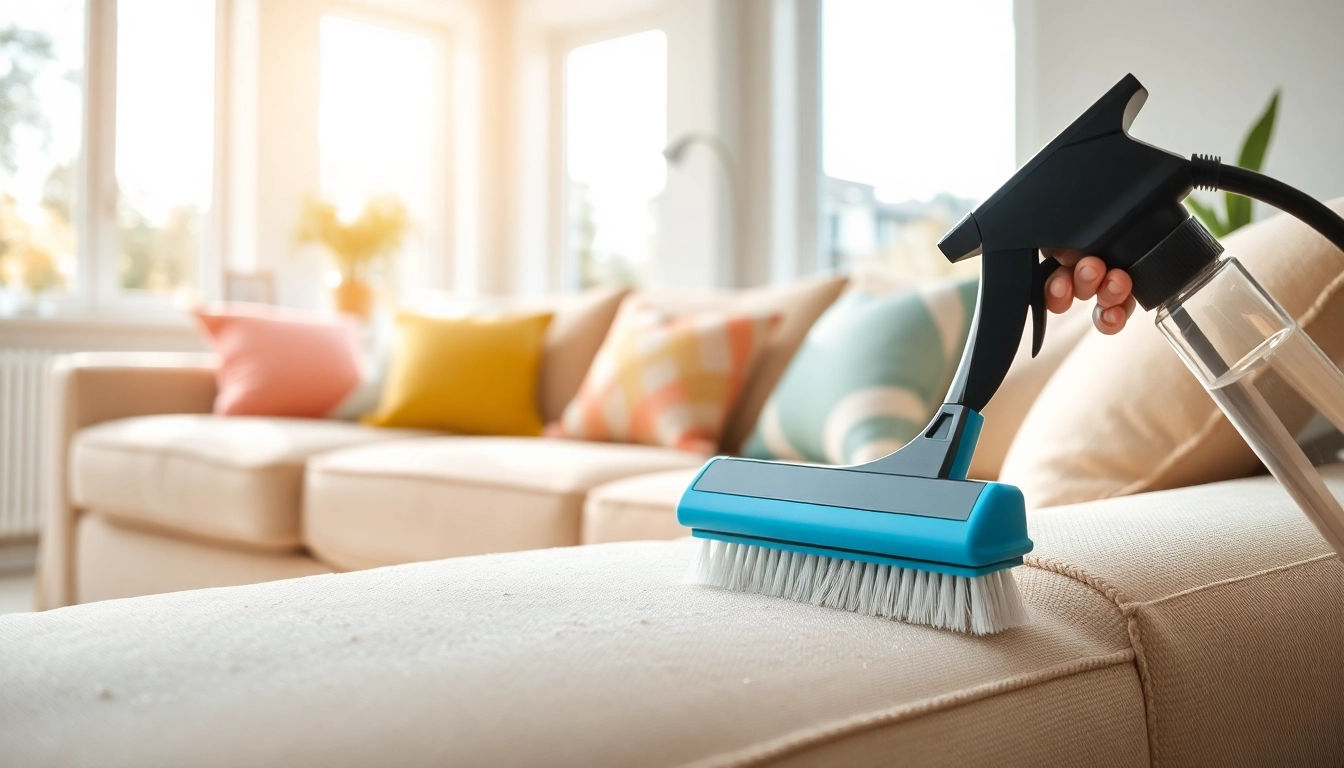
- Soft-bristled brush
- Upholstery-specific cleaner or fabric shampoo
- Microfiber cloths for blotting
- Stain removal kits for specific types of stains
Safety Precautions During Cleaning
Safety should always be a priority when cleaning upholstery. Always wear gloves when handling cleaning chemicals, and ensure your work area has good ventilation. If you or anyone in your household has allergies or respiratory issues, it’s wise to use low-chemical or eco-friendly products. Follow the manufacturer's instructions on cleaning solutions and test any cleaner on a small, inconspicuous area before full application.
Maintaining Clean Upholstery
Regular Care Tips for Longevity
To ensure your upholstery remains in top condition, follow these maintenance tips:
- Vacuum furniture weekly to remove dirt and debris.
- Rotate cushions regularly to promote even wear.
- Promptly address spills and stains to prevent lasting damage.
- Use protective sprays suitable for your fabric to guard against stains and dirt.
Seasonal Cleaning Routines
Adopting a seasonal cleaning routine can help maintain your upholstery's appearance and longevity. Consider deep cleaning fabric surfaces at least twice a year, aligning this task with seasonal changes. This helps to remove allergens and rejuvenate the fabric’s look and feel.
Signs Your Upholstery Needs Professional Attention
Even with regular care, certain signs indicate it may be time to call in professionals. These include persistent stains that resist removal, a noticeable odor, discoloration of fabric, or fraying seams and edges. When such issues arise, professional cleaning can restore your upholstery and prolong its usability.
Frequently Asked Questions
How often should I have my upholstery cleaned?
Ideally, upholstery should be professionally cleaned every 12 to 24 months, depending on usage, fabric type, and presence of pets or children.
Can I clean upholstery on my own?
Yes, many upholstery types can be cleaned by homeowners. However, understanding fabric care and using appropriate cleaners is crucial.
What should I do if I have a stubborn stain?
For tough stains, try to treat them immediately. If home remedies fail, consider consulting a professional cleaner for specialized treatment.
Is professional upholstery cleaning expensive?
The cost of professional upholstery cleaning can vary based on fabric type, cleaning method, and the size of furniture. It's often worth the investment for valuable pieces.
Are there any eco-friendly upholstery cleaning options?
Many cleaning companies offer eco-friendly cleaning solutions that are safe for pets and the environment. Always inquire about these options when hiring a professional.