Understanding Flathead Valley Equipment Rental Options
The flathead valley equipment rental landscape offers a diverse array of equipment to suit various projects, from construction to landscaping and everything in between. Whether you are a DIY enthusiast or a contractor managing large projects, knowing your rental options can lead to significant savings and increased efficiency.
Types of Equipment Available for Rental
Flathead Valley is rich in rental services that offer a broad range of machinery and tools. Key categories of equipment available include:
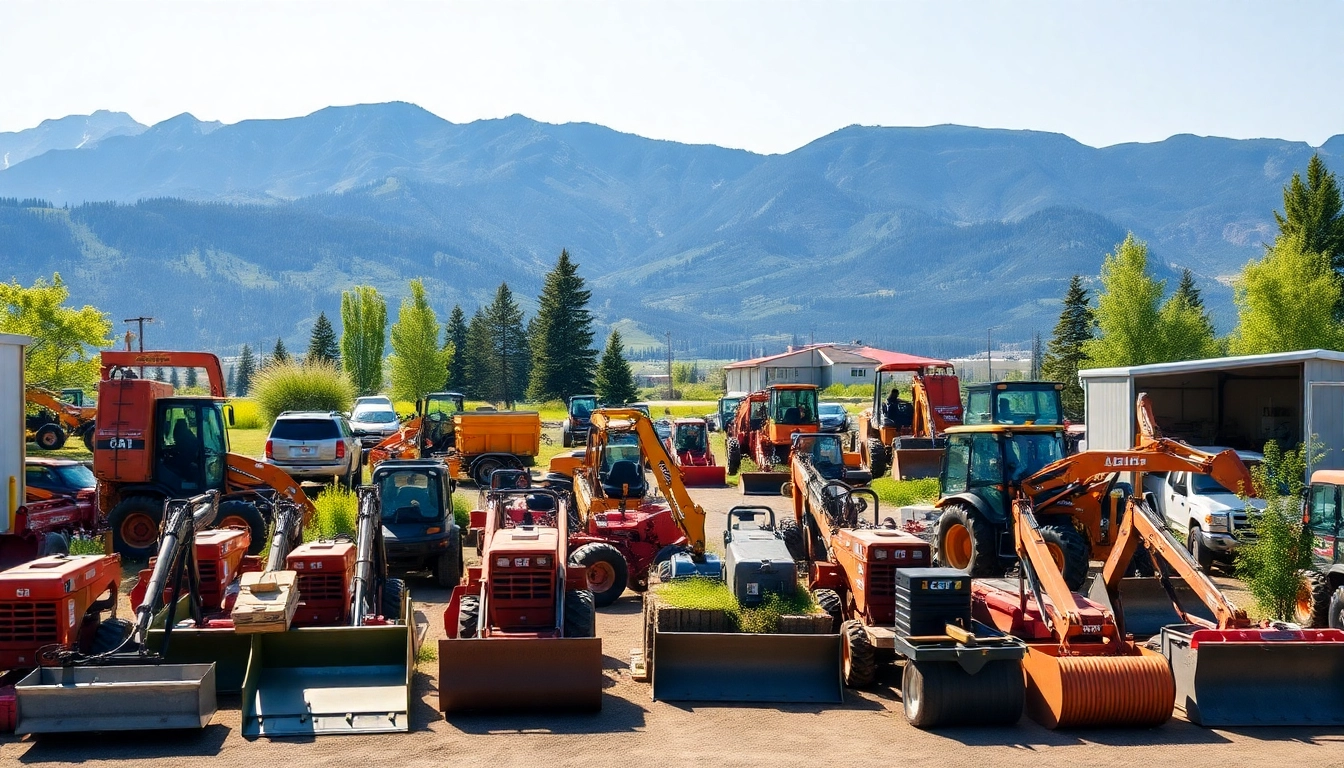
- Heavy Machinery: Excavators, bulldozers, and backhoes for large construction needs.
- Landscaping Tools: Lawn mowers, tillers, and stump grinders to maintain outdoor spaces.
- Power Tools: Drills, saws, and grinders for DIY projects.
- Specialized Equipment: Forklifts and aerial lifts for warehouse and construction tasks.
This variety allows renters to select the perfect tool for their specific project needs, ensuring tasks are completed efficiently and safely.
Benefits of Renting Equipment in Flathead Valley
Renting equipment in Flathead Valley comes with various advantages:
- Cost-Effectiveness: Renting eliminates the high upfront purchase costs of machinery.
- Maintenance Free: Rental companies typically handle maintenance, so you can focus on your project.
- Flexibility: You can rent equipment as needed, allowing for adjustments in project scope.
- Access to Latest Technology: Rentals often include the newest models, ensuring you employ the best tools available.
Rental vs. Purchase: Cost Comparison
Deciding whether to rent or buy heavy equipment often hinges on cost analysis. While purchasing may seem like a long-term investment, consider the following:
- Depreciation: Equipment value diminishes over time, impacting your investment.
- Storage and Insurance Costs: Owning equipment means incurring additional expenses for storage and insurance.
- Usage Frequency: If you use equipment only occasionally, renting can be significantly more cost-effective.
A simple comparison of rental prices against purchase costs over time can highlight the savings associated with renting for one-off projects or temporary tasks.
Choosing the Right Equipment for Your Project
Selecting the appropriate equipment rental is crucial for the success of your project. Knowing what you need involves several considerations.
Assessing Your Needs
Before diving into rentals, assess the specific requirements of your project:
- Scope of Work: Understand the total job to identify the type of equipment necessary.
- Timeline: Determine how long you’ll need the equipment, which affects rental terms.
- Skill Level: Consider the level of experience you or your team has with certain machinery.
Size and Capacity Considerations
When choosing equipment, size and capacity are paramount. Using machinery that is too small or large can lead to inefficiencies. Here are some points to evaluate:
- Worksite Limitations: Consider available space and ensure the equipment fits without restrictions.
- Project Demands: Analyze the workload to select machinery with suitable capacity to meet demands.
Understanding Equipment Features and Functions
Every piece of equipment has unique features that can increase efficiency and safety. Familiarize yourself with:
- Operating Mechanisms: Know how to operate different equipment models effectively.
- Safety Features: Ensure all safety mechanisms are functional and understand their use.
- Attachments and Accessories: Some machinery can be modified with attachments to enhance functionality.
Finding Reputable Equipment Rental Services
Choosing the right rental service can make all the difference in your experience. Research is essential.
Researching Local Vendors
Start your search by identifying local equipment rental companies. Look for:
- Company Reputation: Established vendors often have better equipment and service quality.
- Variety of Equipment: A broader selection allows you to find exactly what you need.
Customer Reviews and Testimonials
Reviews from past customers can provide insights into a company’s reliability:
- Service Quality: Assess how responsive and supportive the rental service is.
- Equipment Condition: Ensure that previous users had positive experiences with the machinery condition.
Comparing Rental Prices and Terms
Price transparency is vital. When comparing services, look at:
- Rental Rates: Ensure you understand the daily vs. weekly pricing structures.
- Included Services: Check if insurance or delivery fees are included.
- Flexibility: Service terms regarding late fees, potential extensions, and damage costs should be clear.
Best Practices for Renting Equipment
Once you choose your equipment, following best practices can safeguard against issues.
Inspecting Equipment Before Rental
Always inspect equipment before completing the rental transaction. Focus on:
- Visual Inspection: Check for visible damage or any irregularities.
- Operational Check: Run the equipment to ensure it operates smoothly and as expected.
Understanding Rental Agreements
Read rental agreements carefully. Key components include:
- Rental Duration: Confirm the start and end dates of your rental period.
- Cost Structure: Understand how fees are calculated and what’s included.
- Liability Clauses: Look for information on liability and damage responsibilities.
Transportation and Return Policies
Consider transportation needs and return policies carefully. Important aspects include:
- Delivery Services: See if the rental company offers delivery assistance.
- Return Guidelines: Understand the process for returning equipment, including location and time.
Frequently Asked Questions Regarding Flathead Valley Equipment Rental
How do I choose the right equipment?
Assess your project needs, including size, capacity, and specific features required. Understanding these aspects will guide you in making an informed choice.
What should I check before renting?
Inspect the equipment's condition, ensure it meets your project requirements, and read rental agreements carefully to understand terms and costs.
Are there any hidden fees in rental agreements?
Always check for additional fees such as delivery charges, deposits, or late return fees. Clarifying these details upfront can prevent misunderstandings.
What is the minimum rental period?
Minimum rental periods vary by company but often range from one day to a week. Check the specific terms with the rental service.
Can I extend my rental period?
Most rental companies allow extensions, but you must notify them ahead of time. Confirm any associated fees for extending your rental.