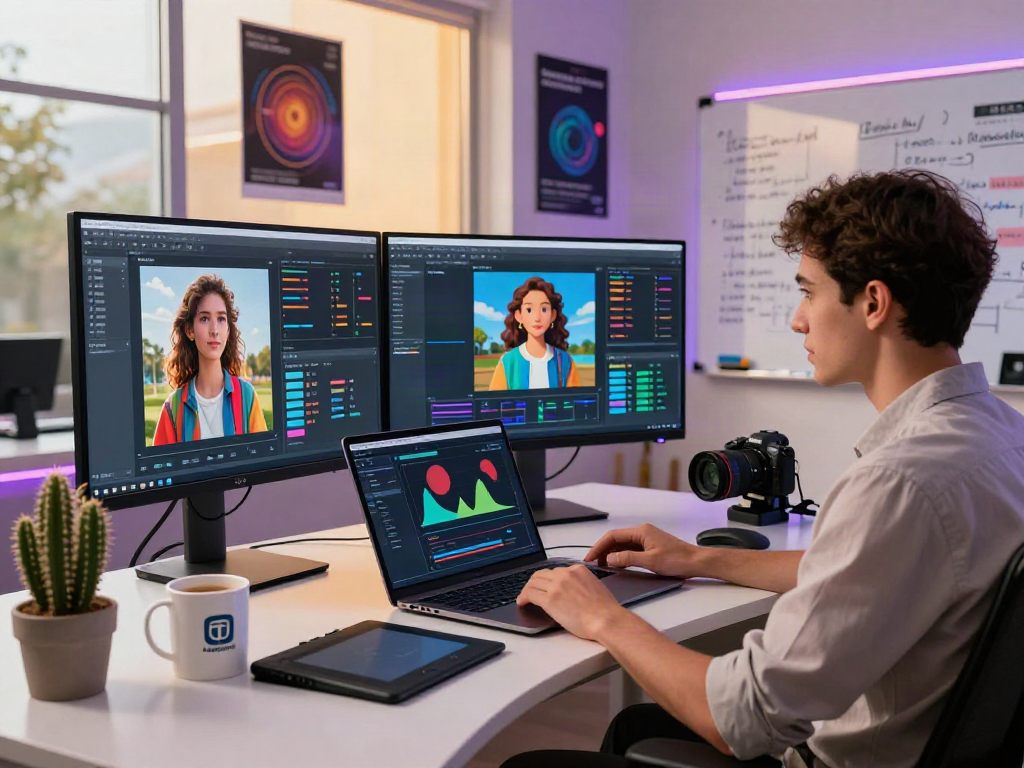
Understanding the AI Image Detector Technology
In an era where digital content proliferates at an unprecedented rate, the ability to distinguish between human-generated and AI-generated images has become crucial. This is where the AI Image Detector comes into play. Leveraging sophisticated algorithms and machine learning protocols, these tools can identify the telltale signs of images created or altered by artificial intelligence. As a result, businesses and individuals alike can maintain integrity in their digital communications and creative outputs.
What is an AI Image Detector?
An AI Image Detector is a specialized software application designed to analyze images and ascertain whether they have been generated or manipulated by artificial intelligence. These detectors utilize trained neural networks to recognize patterns and artifacts that are characteristic of AI-generated visuals. They serve a dual purpose: aiding in the verification of image authenticity and providing insights into the nature of the content being consumed.
How AI Image Detectors Work
AI image detectors typically operate using a combination of deep learning techniques and pattern recognition algorithms. When an image is uploaded, the detector processes various attributes such as:
- Pixel Analysis: Scrutinizing pixel arrangements for inconsistencies that might indicate AI manipulation.
- Metadata Examination: Reviewing the image's metadata to uncover its history and the software used for its creation.
- Feature Detection: Identifying distinctive features, such as unnatural textures and edges, that are hallmarks of AI-generated imagery.
These detectors continuously learn from a vast dataset, improving their accuracy over time and adapting to new AI generation techniques.
Key Features of Leading AI Image Detectors
When evaluating AI image detectors, consider features such as:
- Accuracy: High precision in detecting AI-generated images.
- Processing Speed: Quick results to maintain workflow efficiency.
- User Interface: An intuitive design that allows users to upload and analyze images effortlessly.
- Reporting Capabilities: The ability to generate detailed reports on the findings.
Importance of AI Image Detectors in Modern Business
As the digital landscape becomes inundated with AI-generated content, businesses must adopt robust measures to verify the authenticity of the visuals they use. AI image detectors play a pivotal role in this endeavor.
The Role of AI in Content Creation
AI tools are revolutionizing content creation, allowing for unprecedented scalability and creativity. However, with this change comes the risk of misinformation and brand misrepresentation. Businesses are now faced with the challenge of navigating an environment where distinguishing between genuine and AI-generated content is crucial.
Challenges in Identifying AI-Generated Content
The rapid development of AI technologies has outpaced the detection capabilities of traditional methods. This leads to several challenges, including:
- Increased Sophistication: New AI models produce images that increasingly resemble real photographs.
- Volume of Content: The sheer volume of content generated makes manual verification impractical.
- Legal and Ethical Implications: Misidentifying images can lead to legal ramifications and damage brand reputations.
Protecting Brand Integrity with AI Image Detectors
Utilizing AI image detectors enables businesses to safeguard their brand integrity by ensuring the content they publish is authentic. This not only helps in maintaining trust with their audience but also mitigates the risk of false representation.
Choosing the Right AI Image Detector for Your Needs
With diverse options available in the market, selecting the right AI image detector can be daunting. Below, we discuss the key factors to consider.
Key Factors to Consider in Selection
When choosing an AI image detector, consider:
- Intended Use: Determine if the tool meets your specific needs, whether for marketing content, academic research, or legal verification.
- Pricing: Evaluate the cost structure—some tools offer free versions while others require subscriptions.
- Integration: Check if the tool can be seamlessly integrated with existing platforms or tools you use.
Comparative Analysis of Top AI Image Detector Tools
Currently, several AI image detectors stand out in the market:
- ZeroGPT: Known for its accuracy in analyzing images across different AI models.
- DeepAI: Offers a free tool for quick checks, making it accessible for casual users.
- WasItAI: Provides detailed analysis, particularly useful for journalists and researchers.
Cost vs. Value: Making Smart Investments
When assessing value, consider both short-term and long-term benefits. Investing in a premium AI image detector may offer advanced features and ongoing updates, which can greatly enhance your organization's content verification processes.
Future Trends in AI Image Detection for 2026 and Beyond
The field of AI image detection is rapidly evolving. Staying informed about future trends will prepare businesses for impending changes.
Emerging Technologies and Their Potential Impact
New technologies such as quantum computing and enhanced neural networks are set to revolutionize AI image detection. These advancements will likely lead to:
- Increased Accuracy: More effective algorithms that can detect subtle AI manipulations.
- Real-Time Detection: The ability to assess images instantaneously as they are uploaded online.
Predictions for AI Image Detection Industry Evolution
As AI capabilities grow, the industry will likely see:
- Convergence of Technologies: Integration of AI detection with other fields such as cybersecurity.
- Standardization: Development of industry standards for image verification processes.
Preparing Your Business for Technological Changes
Organizations should proactively assess their current capabilities and prepare for the future by investing in training and technology adoption.
Implementing AI Image Detectors in Your Organization
Once you've chosen an appropriate AI image detector, the next step is implementation.
Step-by-Step Guide to Integration
To effectively integrate an AI image detector into your workflow, follow these steps:
- Identify Objectives: Define what you want to achieve with the tool.
- Train Staff: Ensure that team members understand how to use the tool effectively.
- Monitor and Adjust: Regularly assess the tool's effectiveness and make necessary adjustments.
Measuring Success: Metrics to Track
To gauge the effectiveness of your AI image detector, consider tracking:
- Detection Accuracy: The percentage of correctly identified images.
- User Satisfaction: Feedback from team members using the tool.
- Impact on Workflow: Any improvements in efficiency resulting from the tool's implementation.
Real-World Examples of Successful Implementations
Numerous organizations have successfully integrated AI image detectors:
- Media Outlets: Many newsrooms are utilizing these tools to verify sources and avoid misinformation.
- Marketing Firms: These firms leverage AI image detectors to maintain brand integrity in campaigns.
What industries benefit the most from AI Image Detectors?
Several industries stand to gain significantly from employing AI image detectors, including:
- Media and Journalism: Ensuring the authenticity of images helps maintain credibility.
- Advertising: Brands can protect their image and avoid misleading content.
- E-commerce: Verifying product images can help prevent fraud.
How accurate are AI Image Detectors in 2026?
As of 2026, advancements in machine learning algorithms have markedly improved the accuracy of AI image detectors, with many tools boasting over 90% accuracy in identifying AI-generated content in various contexts.
Can AI Image Detectors differentiate between human and AI-generated content?
Yes, modern AI image detectors are increasingly proficient at differentiating between human-generated and AI-generated images by analyzing patterns that are unique to each type of content.
What are the limitations of current AI Image Detection technologies?
Despite their advancements, current technologies face limitations, such as:
- False Positives: Occasionally misidentifying human-generated images as AI.
- Adaptation to New Models: Detectors may take time to adapt to new image generation techniques.
How can businesses prepare for the rise of AI-generated content?
By incorporating AI image detectors into their workflows, developing clear guidelines for content verification, and staying abreast of technological advancements, businesses can effectively navigate the challenges posed by the increase of AI-generated content.