What Are Retail Footfall Analytics?
Defining Retail Footfall Analytics
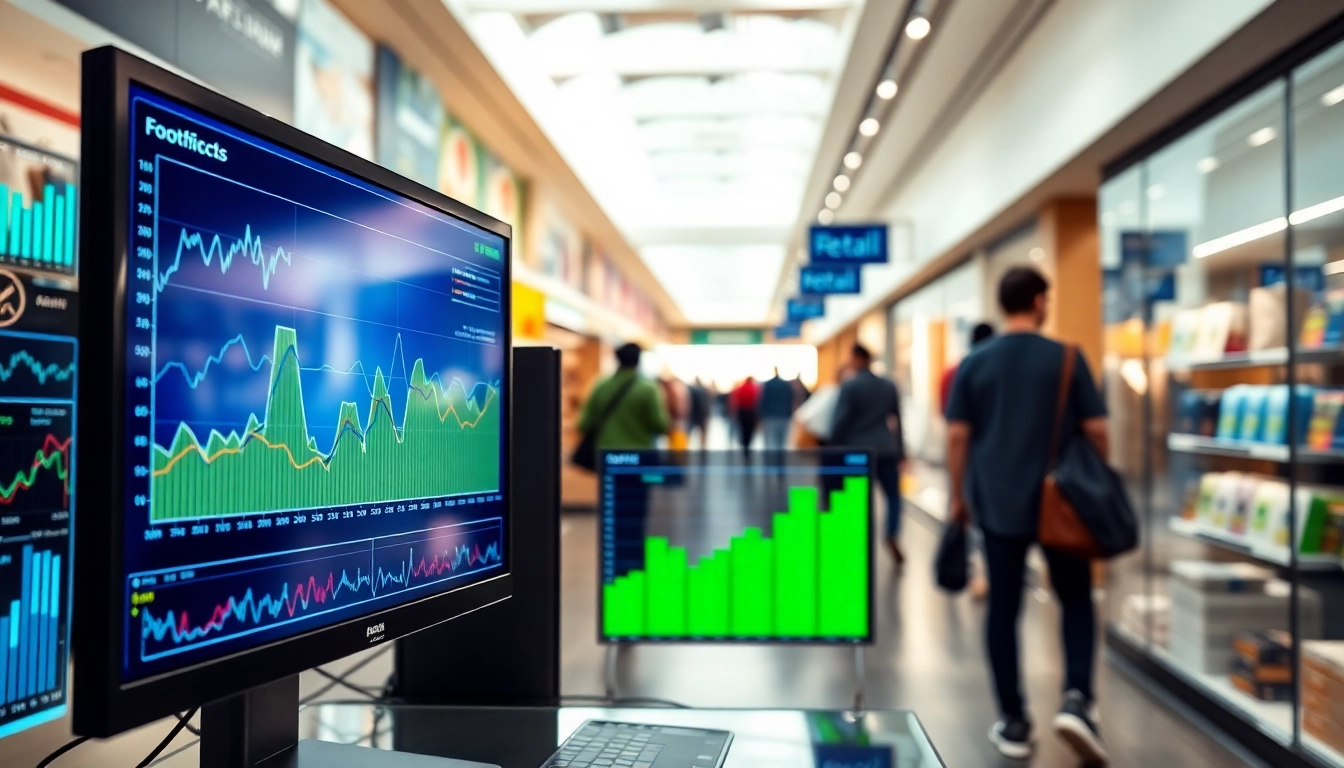
Retail footfall analytics involves the comprehensive measurement and analysis of customer traffic within retail environments. This concept encompasses not only the basic counting of visitors entering a store but also delves into how those customers move throughout the space, their dwell times, and their interaction levels with various products and displays. As more retailers prioritize data-driven decision-making, retail footfall analytics has emerged as a crucial tool for enhancing customer experiences and optimizing operational efficiency.
The Importance of Customer Traffic Analysis
Understanding customer traffic is essential for retailers striving to enhance profitability and customer satisfaction. This data enables businesses to adapt their strategies based on actual consumer behavior rather than assumptions. Frequent analysis of footfall data can reveal peak shopping times, popular areas within stores, and the conversion rates of different products. By pinpointing when and where customers are most engaged, retailers can tailor marketing campaigns, staff allocations, and product placements to match customer expectations and maximize revenue.
How Footfall Analytics Works
Footfall analytics employs various technologies to gather data, including infrared sensors, video cameras, and mobile tracking systems. These systems collect information on the number of visitors, their paths through the store, the time spent in specific sections, and even the entry and exit times. The use of sophisticated algorithms allows for the translation of raw data into meaningful patterns, helping retailers understand customer journeys and behaviors at a granular level.
Key Metrics in Retail Footfall Analytics
Traffic Footfall Count
The traffic footfall count is one of the most fundamental metrics in footfall analytics. It represents the total number of visitors entering a retail space over a specific period. Tracking this data over time provides insights into trends and patterns in customer behavior, allowing businesses to make informed decisions about staffing, inventory, and promotions. For instance, a spike in foot traffic during evening hours might indicate a need for increased staff during those times to improve service quality.
Dwell Time and Its Insights
Dwell time refers to the amount of time a customer spends in a particular area of the store. This metric is crucial as it provides insights into customer engagement and interest. A longer dwell time in specific areas might suggest that customers are intrigued by the products displayed there, while shorter dwell times could indicate a lack of interest or barriers inhibiting interactions. Analyzing dwell time can lead to strategic adjustments, such as repositioning products or redesigning store layouts to enhance customer experiences.
Customer Engagement Levels
Customer engagement levels can be gauged through footfall analytics by observing interactions with displays, promotions, and staff. High engagement often correlates with increased likelihood of purchase, making this metric essential for evaluating the effectiveness of marketing strategies. Retailers can leverage this insight to refine their approaches, such as adjusting promotional materials to be more engaging or providing interactive elements that enhance the shopping experience.
How to Implement Footfall Analytics in Retail
Selecting Appropriate Technology
The first step to implementing footfall analytics in a retail setting is choosing the appropriate technology to collect data. Options range from simple people counting devices to advanced video analytics systems that offer deep insights into customer behavior. The selection should be based on the store's specific needs, budget considerations, and the level of detail required for actionable insights.
Setting Up Measurement Points
Setting up strategic measurement points within the store is crucial for comprehensive data collection. Entrance and exit points are obvious choices, but additional points could include specific product areas or promotions to capture a holistic view of customer behavior. It's important to consider traffic patterns when placing these measurement devices to ensure accurate and relevant data collection.
Establishing Data Collection Protocols
Once the technology and measurement points are established, creating protocols for data collection and analysis is essential. This includes determining how often data should be collected, how it will be processed, and who is responsible for monitoring and using this data. These protocols ensure that the footfall analytics system operates effectively and provides timely insights for business decisions.
Maximizing Insights from Retail Footfall Analytics
Translating Data into Actionable Strategies
Analyzing the collected footfall data is only the first step; the real value lies in translating this data into actionable strategies. Retailers should regularly review key metrics, identifying trends and anomalies to inform marketing strategies and operational adjustments. For example, if data indicates a high footfall but low conversion in a specific area, additional training for staff or product adjustments may be required.
Benchmarking Against Competitors
Benchmarking footfall analytics against competitors can provide retailers with valuable context. By comparing traffic counts and engagement metrics, businesses can identify areas of strength and opportunities for improvement. Understanding how shopper behavior changes relative to competitors allows retailers to refine their offerings and marketing strategies, ensuring they remain competitive in a dynamic landscape.
Real-Life Case Studies
Examining successful case studies can offer important lessons and inspire retailers to embrace footfall analytics. For instance, a retail chain might discover through footfall analytics that changing the layout of their store significantly increased dwell time and customer purchases. These practical examples highlight the transformative potential of leveraging data to improve retail performance.
Common Challenges in Retail Footfall Analytics
Data Accuracy and Reliability Issues
Despite the advanced technology used in footfall analytics, data accuracy can still be a significant challenge. Factors such as device malfunctions, human errors in handling data, or environmental influences can compromise reliability. Implementing regular maintenance checks and redundancy systems can enhance data integrity, helping retailers trust the insights derived from their analytics efforts.
Interpreting Complex Data Sets
With the wealth of data collected, interpreting complex data sets can be daunting. Retailers must invest time in training their teams to understand data analysis techniques or consider hiring external expertise. Simplifying the reporting formats and focusing on key metrics can also aid in distilling actionable insights from complex data.
Integrating Footfall Data with Other Metrics
Footfall data is most powerful when integrated with other key performance indicators, such as sales figures and inventory turns. However, establishing this integration can be challenging due to differing data sources and formats. Utilizing robust analytics platforms that consolidate various data streams will enable retailers to see the bigger picture and make well-informed decisions based on comprehensive insights.
Frequently Asked Questions
What is footfall analytics?
Footfall analytics refers to the collection and analysis of data regarding customer movement and engagement in retail spaces. This analysis helps retailers understand traffic patterns, customer behavior, and engagement levels.
What technologies are used for footfall analytics?
Common technologies for footfall analytics include infrared sensors, video surveillance systems, and mobile tracking methods. These tools help accurately track customer entrances, movements, and dwell times.
How can footfall data improve retail performance?
Footfall data can inform decisions regarding staff allocation, product placements, and marketing strategies. By understanding customer behavior, retailers can enhance operational efficiency and boost sales.
What kind of insights can dwell time provide?
Dwell time insights reveal customer engagement levels with products and displays. Longer dwell times often indicate interest, while shorter times may suggest a need for adjustments in presentation or staffing.
How often should footfall data be analyzed?
Footfall data should be reviewed regularly, ideally in real-time or weekly. Frequent analysis allows retailers to quickly adapt to changing shopping patterns and improve customer experiences.