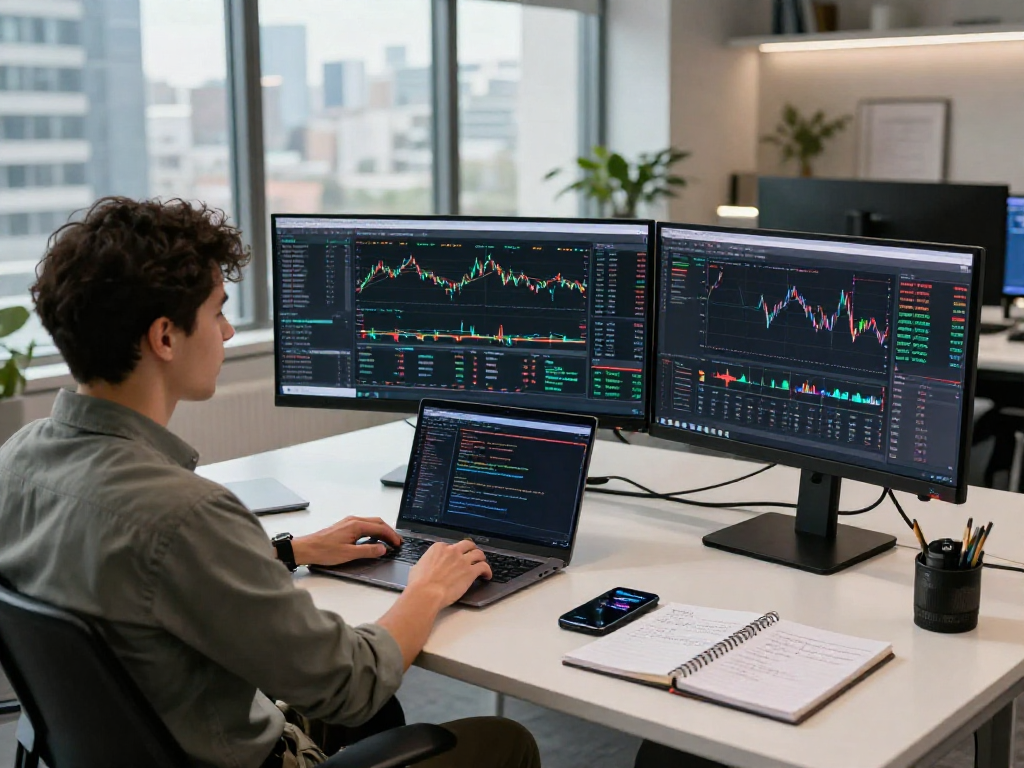
Understanding the TradingView Platform
In today's ever-evolving financial markets, traders and investors require robust tools that streamline their research and decision-making processes. TradingView stands out as a versatile platform that enables users to analyze a wide array of markets from a single interface. Whether focusing on stocks, forex, cryptocurrencies, or derivatives, TradingView offers comprehensive solutions tailored to traders' needs.
What is TradingView?
TradingView is a cloud-based social network and charting platform designed for traders of all levels. By offering real-time data, advanced charting tools, and a lively community of traders, it serves as an essential hub for market analysis. Users can access historical data, utilize various technical indicators, and engage with a community that shares trading strategies and insights.
Key Features and Benefits of TradingView
- All-in-One Dashboard: TradingView consolidates charts, alerts, and market news within a unified workspace, allowing for seamless navigation and analysis.
- Customization: Users can personalize their layouts with multiple chart types, indicators, and drawing tools to suit their trading style.
- Multi-Asset Coverage: Access diverse markets including stocks, forex, and crypto, enabling comprehensive research without switching platforms.
- Community Insights: TradingView hosts a network of traders who share ideas and strategies, fostering collaboration and knowledge sharing.
- Pine Script: The platform's scripting language allows users to create custom indicators and strategies, enhancing trading capabilities.
How TradingView Supports Multiple Asset Classes
Whether you're interested in equities, foreign exchange, or digital assets, TradingView provides tools that cater to each market's unique characteristics. The platform supports various asset classes, enabling users to input codes or names to switch between different instruments effortlessly. This adaptability is crucial for traders who need to track multiple markets simultaneously, providing a significant advantage for informed decision-making.
Setting Up Your Trading Environment
Choosing the Right Workspace for TradingView
Setting up an optimal workspace is the first step toward effective trading. TradingView's interface allows users to customize their work environment, making it essential to select a layout that aligns with personal trading strategies and habits.
Customizing Your TradingView Layout and Tools
Each trader has unique preferences, and TradingView recognizes this by offering a variety of customization options. Users can configure their dashboard to include preferred charts, tools, and indicators, ensuring easy access to the most important information during trading hours.
Integrating Your Trading Strategy with TradingView
For a truly effective trading experience, it is essential to integrate individual trading strategies with the tools available on TradingView. By utilizing the platform's extensive features, traders can refine their approach and adapt to changing market conditions.
Building Effective Trading Strategies
Using TradingView to Develop and Test Strategies
Developing a robust trading strategy is a critical aspect of successful trading. TradingView offers a variety of features that make it easy for traders to create, test, and refine their strategies based on historical data and market conditions. Utilizing the platform’s backtesting capabilities allows traders to evaluate the effectiveness of their strategies before implementing them in real time.
Understanding Pine Script for Custom Indicators
Pine Script is a powerful feature of TradingView that allows users to build custom indicators and automate trading processes. By learning this scripting language, traders can tailor their tools to meet their specific needs, providing a significant edge in market analysis.
Backtesting Strategies on TradingView
Backtesting is a critical step in the strategy development process that involves evaluating a trading strategy against historical data. TradingView’s Strategy Tester provides a convenient way to simulate trades based on past market conditions, allowing traders to assess performance metrics such as win rate and risk-reward ratios.
Market Analysis Techniques with TradingView
Technical Analysis Tools Available on TradingView
Technical analysis is foundational for many traders, and TradingView offers a wide array of tools to facilitate it. From an extensive library of indicators to customizable chart types, the platform empowers users to conduct in-depth analyses that drive informed trading decisions.
Using Fundamental Data to Enhance Your Analysis
In addition to technical tools, TradingView provides access to fundamental data such as earnings reports and economic indicators. By incorporating both technical and fundamental analyses, traders can build a more comprehensive understanding of market dynamics, which is crucial for making informed trading decisions.
Setting Alerts for Market Changes in TradingView
Traders can set personalized alerts on TradingView to notify them of significant market changes. This feature helps users stay informed about critical movements, allowing them to react quickly to opportunities or threats in the market.
Future Trends in Trading and Technology
Emerging Technologies Impacting Trading in 2026
As technology continues to evolve, its impact on trading practices will be profound. Innovations such as artificial intelligence and machine learning are beginning to reshape how data is analyzed and trades are executed, presenting both opportunities and challenges for traders.
How TradingView is Adapting to Market Changes
TradingView is committed to staying at the forefront of market changes by continuously updating its platform to incorporate the latest technologies and user feedback. This adaptability ensures that traders have access to cutting-edge tools and resources that reflect the current landscape.
Preparing for the Future of Trading with TradingView Insights
To thrive in an ever-changing market, traders need to stay informed and prepared for future trends. TradingView offers valuable insights and resources that empower traders to adapt their strategies and approaches in line with emerging market conditions.
What are the costs associated with using TradingView?
TradingView offers various pricing plans, catering to different needs and budgets. Users can choose between free and premium subscriptions, each providing a different level of access to tools and features, allowing traders to select the option that best fits their trading style.
How can I customize alerts on TradingView?
Customizing alerts on TradingView is straightforward. Traders can set specific price levels or indicator conditions that trigger alerts, ensuring they are notified when market movements align with their strategies and preferences.
Is TradingView suitable for beginners?
Yes, TradingView is designed to be user-friendly, making it accessible for traders at all experience levels. The platform provides a wealth of educational resources, community engagement, and intuitive design that helps beginners quickly get up to speed.
What asset classes can I analyze using TradingView?
TradingView allows traders to analyze a wide range of asset classes, including stocks, forex, cryptocurrencies, indices, and commodities. This versatility is crucial for traders looking to diversify their portfolios and maximize opportunities across different markets.
How does TradingView compare to other trading platforms?
TradingView stands out from other trading platforms due to its strong emphasis on social interaction, customization, and analytical tools. While other platforms may focus on execution alone, TradingView integrates research, community, and market analysis within one powerful interface.