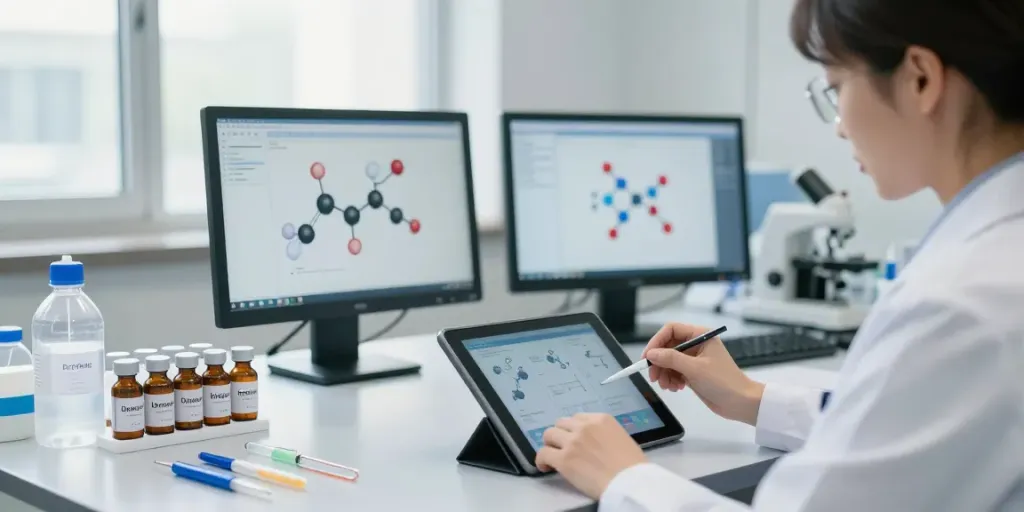
Introduction to Research Peptides
What are Research Peptides?
Research peptides are short chains of amino acids that are utilized primarily in research settings to investigate their effects on various biological processes. These peptides play a crucial role in cellular communication and signaling, acting as hormones, neurotransmitters, and growth factors. Their precise structure and function allow researchers to explore applications across multiple fields, including medicine, sports science, and cosmetic industries.
How Peptides Function in Biological Systems
Peptides work by binding to specific receptors on the surface of cells, influencing a myriad of physiological processes. This interaction can lead to changes in cellular signaling pathways, gene expression, and ultimately, cellular behavior. For instance, peptides can promote tissue repair, modulate immune responses, and enhance metabolic functions, demonstrating their pivotal role in maintaining homeostasis within biological systems.
Importance of GHK-Cu in Research
Among the myriad of research peptides, the GHK-Cu peptide stands out due to its unique properties and wide range of potential applications. GHK-Cu is a copper peptide, known for its ability to stimulate wound healing, collagen production, and skin regeneration. Its importance in research is underscored by numerous studies highlighting its biochemical effects, particularly in dermatology and regenerative medicine. The ghk-cu peptide has emerged as a topic of great interest for its promising implications in anti-aging therapies and as a therapeutic agent in various conditions.
The Mechanism of GHK-Cu Peptide Action
Cellular Interaction and Functionality
The mechanism of action of GHK-Cu involves its interaction with cell surface receptors, which activates various cellular pathways. One crucial pathway influenced by GHK-Cu is the stimulation of fibroblast activity. This activity facilitates the production of collagen, elastin, and glycosaminoglycans, fundamental components for skin structure and integrity. The metal ion, copper, plays a vital role in this process, not only serving as a cofactor for enzymatic reactions but also participating in antioxidant defense mechanisms, which mitigate oxidative stress.
Clinical Applications of GHK-Cu
GHK-Cu has garnered attention for its clinical applications, particularly in dermatology. Studies suggest that this peptide can reduce the appearance of fine lines and wrinkles, enhance skin elasticity, and improve overall skin texture. Beyond cosmetic benefits, GHK-Cu is also being researched for its potential to accelerate wound healing and tissue repair in various medical contexts, including surgical recovery and injury management. Its ability to stimulate angiogenesis (the formation of new blood vessels) further underscores its therapeutic potential in restoring damaged tissues.
Synergistic Effects with Other Compounds
The functionality of GHK-Cu can be enhanced when it is combined with other compounds, leading to synergistic effects. For instance, when used alongside growth factors or other peptides, GHK-Cu can amplify cellular responses, potentially leading to improved healing and regeneration outcomes. This characteristic makes GHK-Cu a valuable additive in formulations targeting skin rejuvenation and recovery, expanding its use beyond standalone therapy to integrated treatment approaches.
Benefits of GHK-Cu Peptide
Skin Rejuvenation and Repair
One of the most prominent benefits of GHK-Cu peptide is its role in skin rejuvenation. By stimulating collagen synthesis and promoting skin repair mechanisms, GHK-Cu can significantly improve the appearance of aged or damaged skin. Users report increased hydration levels, a reduction in the visibility of scars, and a more youthful complexion. Clinical trials have illustrated GHK-Cu's efficacy in enhancing skin firmness and elasticity, making it a favorite in cosmetic applications.
Potential in Wound Healing
GHK-Cu has been shown to expedite wound healing processes, with research indicating it can dramatically reduce healing times in various models of wound care. Its ability to promote cell migration and enhance fibroblast proliferation makes it a valuable compound in treating chronic wounds and post-surgery recovery. Additionally, GHK-Cu's antimicrobial properties have been suggested to help prevent infection in open wounds, further improving healing outcomes.
Impact on Cellular Regeneration
The significance of GHK-Cu extends to its impacts on cellular regeneration, as it has been observed to influence stem cell behavior and promote the regeneration of various cell types. This property holds potential for applications in regenerative therapies aimed at combating age-related degeneration and repairing tissues following injury. Ongoing research continues to explore the role of GHK-Cu in enhancing overall cellular health, which could revolutionize treatments for degenerative diseases and age-related disorders.
Usage and Dosage Guidelines
Recommended Administration Techniques
GHK-Cu can be administered through various methods, including topical application and injection. Topical formulations are widely used, particularly in cosmetic products, for addressing skin concerns. In research settings, injections may be utilized to assess systemic effects or for localized treatment of injuries. Proper administration techniques are critical to ensure optimal absorption and effectiveness.
Daily Dosages for Optimal Efficacy
The recommended dosage of GHK-Cu varies based on the intended application and individual response. For topical applications, concentrations typically range from 0.1% to 2%, while research studies utilizing injections may administer dosages of 200 to 500 micrograms per day. It's essential to consult relevant clinical guidelines or professional advice to tailor dosages effectively to individual needs.
Monitoring Reactions and Effects
Monitoring reactions to GHK-Cu is vital for ensuring safety and measuring efficacy. Users should observe for any adverse reactions such as irritation or allergic responses, particularly with topical products. In research environments, feedback on treatment outcomes should be documented, allowing researchers to adjust protocols as necessary. Regular assessments can further optimize therapeutic applications and refine best practices for GHK-Cu use.
Frequently Asked Questions
What is GHK-Cu peptide used for?
GHK-Cu is primarily researched for its role in skin healing, anti-aging, and potential effects on cellular functions.
Are there any side effects?
While generally considered safe in research, some users report minor irritation or allergic reactions.
How is GHK-Cu administered?
GHK-Cu can be administered via topical creams or injections, depending on the research context.
Is GHK-Cu peptide effective long-term?
Research indicates promising results for long-term benefits, particularly in skin health and regeneration.
Where to find quality GHK-Cu peptide?
Quality sources typically include specialized peptide research suppliers or pharmacological companies.