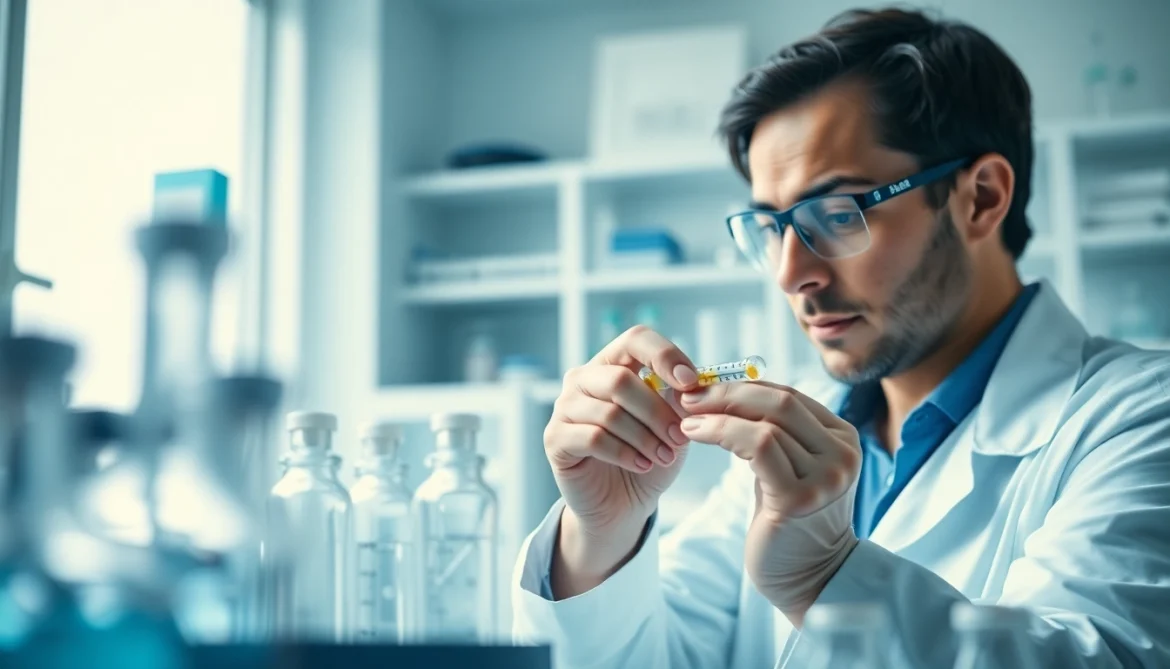
Introduction to Research Peptides
Research peptides have gained significant attention in recent years for their potential implications in health, wellness, and scientific research. They are short chains of amino acids that play critical roles in various biological processes. This article will explore the different aspects of research peptides, particularly focusing on the benefits of the ghk-cu peptide, their applications in medicine, methods of administration, potential risks, and considerations for safe use.
What are Research Peptides?
Research peptides are unique biomolecules made up of amino acid chains, usually containing fewer than 50 amino acids. They are synthesized or extracted in laboratories for research purposes. These compounds work by interacting with various biological systems in the body, influencing a range of physiological responses. Their ability to mimic or interact with natural hormones, neurotransmitters, and enzymes poses a significant potential for therapeutic applications.
Types of Research Peptides
Research peptides can be broadly categorized into several types, each with distinct functions and applications. Some common types include:
- Hormonal Peptides: These peptides influence hormonal activities, essential for many bodily functions.
- Neuropeptides: These are involved in transmitting signals in the nervous system and can affect emotions and behavior.
- Antimicrobial Peptides: Known for their ability to fight infections, these peptides serve as a natural defense mechanism in human health.
- Growth Factors: These peptides promote cell growth, proliferation, and differentiation, playing a vital role in tissue repair and regeneration.
Importance of Research Peptides in Science
Research peptides are pivotal in advancing scientific knowledge and medical breakthroughs. They serve as experimental tools in various fields such as biochemistry, pharmacology, and molecular biology. Their implications in drug development, disease treatment, and understanding complex biological processes highlight their importance. Furthermore, the ability to design and synthesize specific peptides opens the door to customized therapeutic strategies tailored to individual needs.
Exploring the Benefits of Peptides
The benefits of peptides, particularly those like the ghk-cu peptide, are extensive, influencing numerous aspects of health and well-being. Below, we delve into some prominent benefits.
How Peptides Enhance Health
Peptides can enhance health by playing roles in cellular communication, immune responses, and hormone regulation. Research has shown that specific peptides can aid in tissue repair, boost immune function, or modulate metabolism. By facilitating communication between cells, peptides can promote healing and recovery processes, making them an attractive option in regenerative medicine.
Role of GHK-CU in Skin Repair
The ghk-cu peptide is particularly renowned for its skin-repairing properties. It has been demonstrated to stimulate collagen production, accelerate wound healing, and improve skin elasticity. GHK-CU works by organizing cells during tissue repair, promoting the formation of blood vessels, and modulating inflammation. Clinical studies have shown that its application can lead to significant improvements in skin appearance, texture, and overall health.
Peptides and Muscle Growth
Peptides have also shown promising results in promoting muscle growth and recovery. Specific peptides help in increasing muscle protein synthesis and reducing recovery time between workouts. They influence various biological pathways related to muscle hypertrophy and can support athletes and bodybuilders in achieving better performance outcomes. The integration of peptides into wellness routines can lead to enhanced strength, endurance, and overall physical condition.
Applications of Peptides in Medicine
Peptides are highly versatile and find applications across various medical fields. Their therapeutic potential is being explored continuously, and many innovative uses are emerging.
Peptides in Therapeutics
Research indicates that peptides can be effective in treating various medical conditions, including diabetes, cancer, and cardiovascular diseases. By mimicking body’s natural biological substances, certain peptides can regulate glucose levels, manage blood pressure, or target cancer cells. Their specificity allows for targeted therapies that can minimize side effects commonly associated with traditional pharmaceuticals.
Peptides in Anti-Aging Solutions
Peptides play an essential role in anti-aging solutions. The regenerative properties of peptides, particularly in stimulating collagen and elastin production, make them valuable in skincare and cosmetic treatments. The GHK-CU peptide, specifically, has gained popularity in the cosmetic industry for its ability to rejuvenate the skin, reduce wrinkles, and promote a youthful appearance. This offers users not only aesthetic enhancement but also psychological benefits linked to improved self-esteem.
Potential Future Uses
The future of peptide research is promising, with advancements in biotechnology paving the way for innovative therapeutic options. There is a burgeoning interest in using peptides in gene therapy, targeted delivery systems in cancer treatments, and neuroprotective strategies for degenerative diseases. Ongoing research aims to optimize peptide designs to enhance their stability and delivery efficiency, potentially revolutionizing medicine.
Administration Methods for Peptides
Administering peptides effectively is crucial to maximizing their benefits. Various methods have been developed, each with its pros and cons.
Injectable Peptides: Pros and Cons
Injectable peptides are one of the most common delivery methods. They are typically administered via subcutaneous or intramuscular injections. The primary advantage of this route is the rapid absorption and direct entry into the bloodstream, providing quicker therapeutic effects. However, this method can be uncomfortable for some patients, requires sterile techniques, and presents a risk of infection. Careful training and adherence to hygiene practices are necessary for safe use.
Oral Peptides: Effectiveness and Safety
Oral peptides are gaining traction due to their convenience. However, peptides are often degrading in the gastrointestinal tract, which can limit their effectiveness. Novel formulations and delivery systems are being developed to enhance oral bioavailability, and while generally safe, this method still requires rigorous testing to ensure peptide integrity until absorption.
Topical Peptides: Application and Results
Topical application of peptides, especially in cosmetics and dermatology, has grown significantly. Peptides can be absorbed through the skin and provide localized effects, making them useful for targeted treatments like anti-aging creams. Efficacy can vary widely based on formulation and peptide type, so consumers should seek products that ensure adequate delivery and penetration for optimal results.
Risks and Considerations When Using Peptides
While peptides offer numerous benefits, it is essential to consider the potential risks and safety guidelines associated with their use.
Potential Side Effects of Peptides
Like any other therapeutics, peptides can have side effects, such as allergic reactions, injection site reactions, or hormonal imbalances. Understanding these risks ensures users can make informed decisions regarding their use. Proper dosing, individual medical history, and consultation with healthcare professionals are crucial for minimizing these risks.
Safety Guidelines for Research Peptide Use
Adhering to safety guidelines is vital when using research peptides. Users should secure peptides from reputable sources, review their purity and composition, and follow recommended dosages meticulously. Being aware of the legal status and potential regulations around peptide use in their location is necessary to ensure compliance and safety.
Legal Aspects of Peptide Use
The legality of peptide use can vary significantly depending on the region and specific peptide properties. While some peptides are readily accessible for research and therapeutic use, others may be subject to restrictions. Users should be well-informed about the laws and regulations surrounding peptide use in their jurisdictions to avoid legal complications.
Frequently Asked Questions
What are the benefits of GHK-CU peptide?
GHK-CU peptide is known for its skin-repairing properties, stimulating wound healing, enhancing collagen synthesis, and improving skin elasticity. It is widely used in anti-aging skin formulations.
How are peptides administered?
Peptides can be administered through various methods, including injectable, oral, and topical routes. Each method has unique benefits and challenges regarding effectiveness and safety.
What are the side effects of peptides?
Potential side effects of peptides can include allergic reactions, injection site irritation, or hormonal imbalances. Consultation with a healthcare professional is recommended to mitigate these risks.
Are peptides legal to use?
The legality of peptides varies by region and specific peptide type. Users should familiarize themselves with local regulations and ensure compliance to avoid legal issues.
How do peptides enhance muscle growth?
Certain peptides can stimulate muscle protein synthesis, improve recovery times, and promote muscle hypertrophy, making them beneficial for athletes and bodybuilders.